Key takeaways
- A prospective student is an individual considering or planning to attend a college or university.
- Prospective students can be high school seniors, transfer students, adults going back to school, and international students.
- A prospective student can make the most of the college search process by researching, visiting campuses, and exploring financial aid opportunities.
- Advancements in technology have made the college search easier with tools like AI searches and virtual campus tours.
- Your school counselor can help you find the right school, send a good application, and provide career assessments.
Flickr user Penn State
If you’re thinking about going or planning to go to a college or university, you’re considered a prospective student. This stage in your education is very exciting, and there’s a lot to consider before enrolling. Being a prospective student is the first step in the college admissions process. As you’re researching top schools and trying to determine where to apply, knowing what you need to do can help make this process easier.
Let’s explore the role of a prospective student and what you need to do to succeed.
What is being a prospective student like?
Being a prospective student can be exciting. You’re on the verge of beginning a new chapter in your life that may set you on the path for a successful college experience. No matter what your reason is for considering college, prospective students are motivated to pursue higher education. Many factors driving this motivation include:
- Becoming qualified for a job
- Preparation for career advancement
- Networking and growth opportunities
- Gaining skills to give back to the community
The life of a prospective student differs from that of current college students in many ways. They spend their time researching potential schools, taking campus tours, and applying to colleges and universities. This happens all while keeping up with their current school work and other responsibilities.

What are the different types of prospective students?
There are many types of prospective students, including:
- Seniors who are about to graduate from high school
- Students who want to transfer schools
- Students pursuing a higher degree, such as a master’s or a doctorate
- Adults looking to go back to college
- International students
- People who want to switch careers
No matter what type of prospective student you are, you can find a path to move forward based on your needs.
What are some tips to be a good prospective student?
All prospective students face a big decision—choosing where to go to school. There are a lot of factors to consider, but these helpful tips can make this process easier:
- Research different schools: As you look into different schools, consider the different majors, cost, and what college life will look like for you. Many students also weigh the college’s reputation, program offerings, and career prospects during their search process. Thinking about your needs and goals can help you find the right school.
- Prepare for standardized tests: Getting a high grade on standardized tests can help open the door for you to attend a great school. For high school students, this means preparing for the SAT and ACT.
- Think about your major: If you’re pursuing a certain career, make sure your prospective college or university offers the major you need. Your major can impact your education by affecting your curriculum and academic workload. Plus, it impacts your future career. If you’re undecided, find schools that have majors you might be interested in.
- Explore financial aid options: For many students, tuition costs can greatly influence which school they choose. Fortunately, there are many opportunities you can explore that may help lower this cost. You can begin by filing the FAFSA and searching for scholarships.
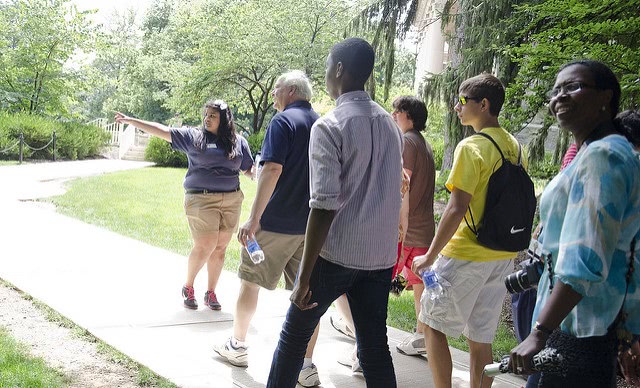
- Visit college campuses: If you plan to live on a college campus, it helps to tour different schools. You’ll get a sense of what it’s like to be on campus and find out if you can picture yourself attending.
- Consider online programs: If you’re looking for a more affordable and flexible option for college, you can consider online programs. Some online options for a bachelor’s program are less than $10,000 a year.
As you research and look into your options, you can leverage the latest technology. AI can help you find potential schools and programs that are the right fit. Virtual tours can help you see what a campus is like before you visit in person, or if you’re unable to visit. You can also gain insights from a college’s social media profiles.
How do counselors help prospective students?
If you think it would help to have someone to talk to about choosing a college, a counselor can give you some great advice. They can assist you in the following ways:
- Choosing your courses
- Selecting a college or university
- Reviewing essays and college applications
- Providing a letter of recommendation
- Helping you prepare for a college interview
- Providing career assessments that may help with your decision
In addition to counselors, other faculty members can give you advice, write a recommendation, or help you network during the college search process. Your teachers can also be good role models and point you in the right direction for a school or major that fits your interests.
How can you stand out as a prospective student?
With many students applying to the same colleges you want to attend, here’s what you can do to stand out:
- Participate in extracurricular activities: Doing extracurricular activities shows colleges that you’re well-rounded. They can also help develop personal growth, time management, and connections with other students.
- Write a strong personal statement: As admissions officers review grades and test scores, a captivating personal statement can help you stand out. It’s your chance to highlight your personality, background, and why they should let you enroll.
- Boost your grades: High grades do more than help you stand out. They can help open doors for scholarship opportunities.
How can you make the most of a college campus tour?
Visiting the campus of a school you’d like to attend is a golden opportunity to see if it’s right for you. Here’s how you can make the most of this experience:
- Register in advance: Tours can fill up quickly, so it helps to reserve your spot.
- Bring questions: Ask your guide and other students questions you have about the classes, campus life, and what it’s like to attend this school.
- Take notes: If you’re visiting multiple campuses, you may forget some of the details. Taking notes helps to keep track of what you like and don’t like about each school you visit.
Discover which school is the right fit
Being a prospective student comes with a big decision, but taking the right steps can help you make a good choice. Don’t be afraid to research, visit campuses, and talk to people who can help you decide. Looking for financial aid opportunities may help lower the cost and make this experience more affordable. If it all feels overwhelming, you don’t have to figure it out alone. Your school counselor can guide you through every step of the process.
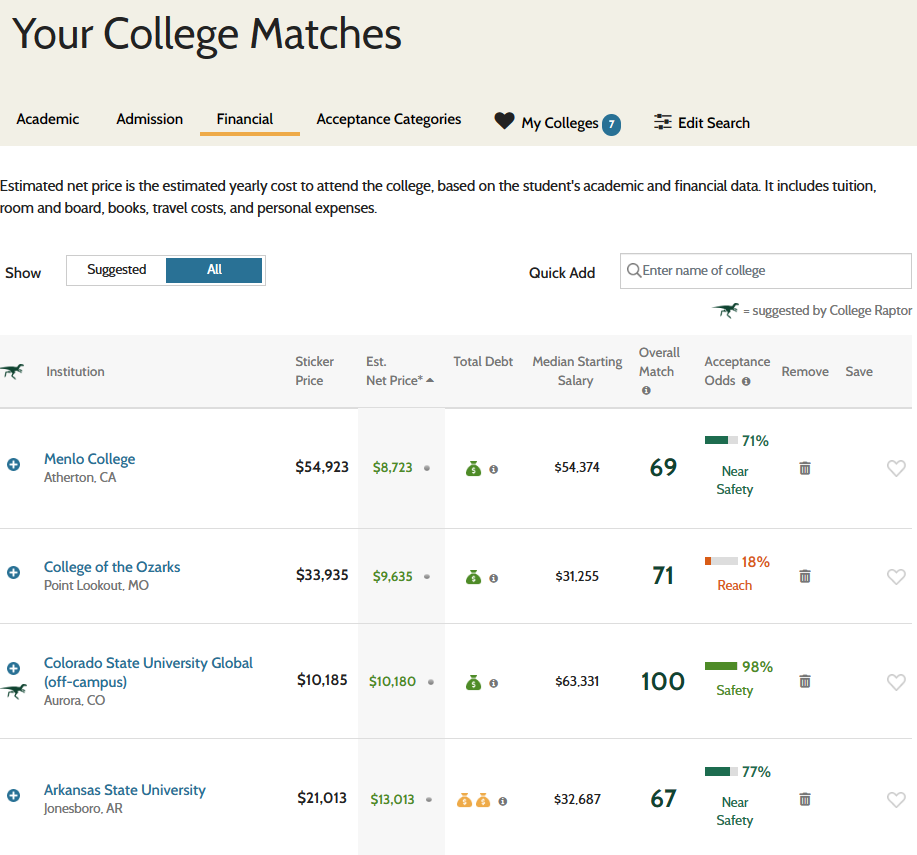
Not sure how to start looking? Try our FREE College Match tool. It’s a great way to compare schools and see which ones fit your budget, interests, and goals.