Key takeaways:
- Land-grant universities were created due to the Morrill Acts of 1862 and 1890 and the Equity of Educational Land-Grant Status Act of 1994.
- They include schools that originally focused on agriculture, military tactics, mechanical studies, or educating African Americans, as well as tribal institutions.
- There are more than 100 land-grant universities, including University of Iowa, University of California – Berkeley, and MIT just to name a few.
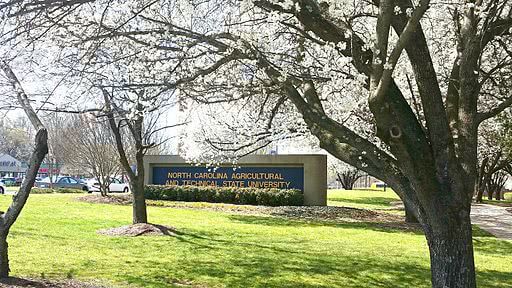
Land-grant colleges and universities have three origins, based on the federal law they were funded by. Some land-grant institutions originally focused on agricultural, military tactics, and mechanical studies. Others are historically black colleges and universities (HBCUs) and tribal schools.
In this article, we investigate the history of how they came about and highlight the land-grand universities across the United States and its associated territories.
What is a land-grant university?
Also known as a land-grant college or land-grant institution, land-grant universities are higher education institutions that came about thanks to the Morrill Acts of 1862 and 1890 and the Equity of Educational Land-Grant Status Act of 1994.
The Morrill Act of 1862 focused on creating schools that offered agricultural, military tactics, or mechanical studies, such as engineering, as their main program. States that accepted the terms were granted 30,000 public acres of land to use to fund, open, and support these institutions.
The 1862 Act forbade Confederate states from benefiting, but the Morrill Act of 1890 changed criteria slightly. The government gave states the option to either show that race was not bar to admission or open land-grant institutions for African Americans, which led to the creation of many of the HBCUs that exist today.
The Equity of Educational Land-Grant Status Act of 1994 extended the definition of these institutions, adding Native American colleges and universities.

List of land-grant colleges and universities
There are over 100 land-grant colleges and universities in the United States and its associated territories. Many are public schools, funded by the state, though a select few are private.
Alabama
Alaska
Arizona
Arkansas
California
- University of California–Berkeley
- University of California – Davis
- University of California – Irvine
- University of California – Los Angeles
- University of California – Merced
- University of California – Riverside
- University of California – San Diego
- University of California – San Francisco
- University of California – Santa Barbara
- University of California – Santa Cruz
Colorado
Connecticut
Delaware
DC
Florida
Georgia
Hawaii
Idaho
Illinois
Indiana
Iowa
Kansas
Kentucky
Louisiana
Maine
Maryland
Massachusetts
Michigan
Minnesota
- University of Minnesota
- Fond du Lac Tribal and Community College
- Leech Lake Tribal College
- Red Lake Nation College
- White Earth Tribal and Community College
Mississippi
Missouri
Montana
Nebraska
Nevada
New Hampshire
New Jersey
- Rutgers University (Newark, Camden, New Brunswick)
- New Jersey Institute of Technology
New Mexico
New York
North Carolina
North Dakota
Ohio
Oklahoma
Oregon
Pennsylvania
Rhode Island
South Carolina
South Dakota
Tennessee
Texas
Utah
Vermont
Virginia
Washington
West Virginia
Wisconsin
Wyoming
Territories
- American Samoa Community College
- University of Guam
- Northern Marianas College
- University of Puerto Rico – Mayagüez
- University of the Virgin Islands
Over the years, land-grant institutions have broadened their focuses and available majors, growing into sprawling universities with vast opportunity. Many have changed names, too. The movement also inspired sea grant, sun grant, and space grant programs throughout the United States.
Whether you’re interested in studying agriculture, engineering, or military tactics or are just curious about these land-grant schools, College Raptor can help you compare your options and find the right institution for you. Sign up for College Match today to start exploring – it’s free!