Key Takeaways
- Biomedical engineering combines science and engineering to improve health.
- Most engineers start with a bachelor’s degree in biomedical engineering.
- This field is growing and has many job opportunities.
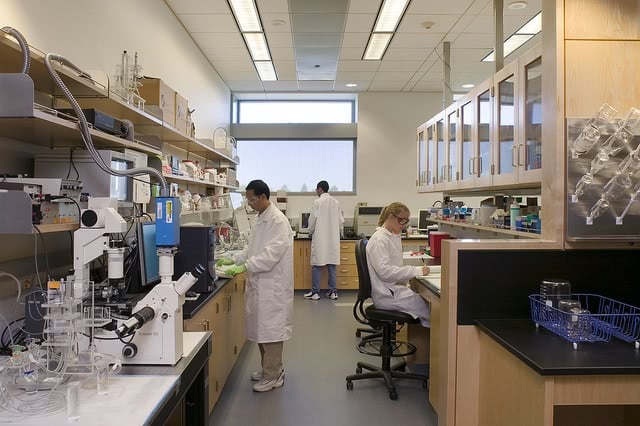
Flickr user UC Davis College of Engineering
Imagine a world where technology and medicine work together to save lives. That’s biomedical engineering. Engineers create artificial organs, prosthetic limbs, and imaging tools that detect diseases early. Their work improves patient care every day.
Keep reading to see how biomedical engineers shape the future of healthcare. Plus, you can find out how you can be a part of it.
What Is Biomedical Engineering?
Biomedical engineering brings together science, medicine, and technology. This combination helps tackle health challenges. Biomedical engineers create tools and solutions that improve medical care.
They design advanced medical devices and improve hospital systems. Their work supports doctors and patients alike. At its core, bioengineering has one clear purpose: improving human health.

A Quick Look Back
Biomedical engineering has a long history of making healthcare better. Early innovations included prosthetic limbs and artificial organs. These advancements give people a chance at a more normal life. Later breakthroughs include MRI (magnetic resonance imaging). This tool allows doctors to see inside the body. Before this invention, people didn’t realize this was possible.
Funding from organizations like the National Institutes of Health (NIH) has supported research. This funding has supported the growth of this field into the high-tech discipline it is today.
Main Areas of Biomedical Engineering
This field covers many specialties, including:
Tissue Engineering
This type of engineering focuses on repairing damaged or diseased tissue. It allows engineers to develop artificial skin, organs, and other tissues. These innovations can replace or support failing parts of the body.
Biomechanics
This specialty studies how forces affect the human body. Bioengineers understand movement and stress on the bones and muscles. They use this information to design better implants, braces, and rehabilitation programs.
Biomedical Imaging
These tools allow doctors to see inside the body. Techniques like MRI help detect disease early. Additionally, they guide precise treatments without invasive surgery.
Neural Engineering
This field connects technology with the nervous system. Bioengineers develop devices that restore nerve function. These devices can help people recover from injuries. They can also help the brain control prosthetics.
Rehabilitation Engineering
Rehabilitation engineering creates prosthetic limbs and assistive devices. This specialty helps improve mobility. It can improve the quality of life for people who have lost limbs or have disabilities.
Biomedical Instrumentation
In this field, bioengineers design medical equipment for hospitals. These devices give clinicians tools to care for patients safely.
Together, these areas show how biomedical engineering touches nearly every part of healthcare.
Education and Skills Needed
Want to become a biomedical engineer? Most students start with a bachelor’s degree in biomedical engineering. Then, students continue with a graduate program. They usually study regenerative medicine, drug delivery, or biomaterials.
Engineers need a strong foundation in math, biology, and physics. They should also have good problem-solving skills, and collaboration is key. They often work with doctors, researchers, and hospital staff. Together, they turn ideas into real medical solutions.
Top Colleges for Bioengineering:
1. Johns Hopkins University – Baltimore, MD
2. Duke University – Durham, NC
3. Worcester Polytechnic Institute – Worcester, MA
4. Georgia Institute of Technology-Main Campus – Atlanta, GA
5. Case Western Reserve University – Cleveland, OH
6. Massachusetts Institute of Technology – Cambridge, MA
7. New Jersey Institute of Technology – Newark, NJ
8. University of North Carolina at Chapel Hill – Chapel Hill, NC
9. Boston University – Boston, MA
10. Stevens Institute of Technology – Hoboken, NJ
See more top colleges with Bioengineering and Biomedical Engineering programs.
How These Advancements Help Patients
Biomedical engineering makes a direct impact on patient care. Engineers design medical devices such as:
- Pacemakers – regulate the heartbeat
- Insulin pumps – help manage diabetes
- Prosthetic limbs – restore mobility
- Imaging tools – allow early disease detection
- Artificial organs – replace failing organs and save lives
These innovations make healthcare safer, faster, and more effective for patients worldwide.
Ethics in Biomedical Engineering
With powerful technology comes responsibility. Biomedical engineers must consider patient safety and privacy. These factors are important to consider while creating new tools and treatments. Advances in areas like genetic engineering, synthetic biology, and biomaterials raise ethical questions. Engineers must consider how and when technology should be utilized.
They must also balance innovation with safety and fairness to ensure that medical solutions truly benefit patients without creating unintended risks. Ethics is a guiding principle in every stage of research, design, and implementation.
Today’s Industry
The biomedical engineering field is growing quickly with a 5.1% job growth outlook. Research labs, hospitals, and medical companies rely on engineers to improve healthcare. Engineers create medical devices, imaging tools, and prosthetics. These inventions make healthcare safer and more effective.
Technology is advancing fast. As a result, there are many job opportunities for biomedical engineers. Many people find this field exciting and rewarding.
Tips for Future Biomedical Engineers
If you’re interested in a biomedical engineering career, here are a few ways to get started:
- Join the Biomedical Engineering Society (BMES) to meet professionals and peers.
- Apply for internships or research opportunities in hospitals or labs.
- Work closely with an academic advisor to plan your classes and career path.
- Gain hands-on experience in a lab or clinical setting.
- Build skills in science and engineering to solve real-world problems.
Why This Field Matters
Biomedical engineering blends science, technology, and medicine to create life-changing solutions. Engineers design devices and tools that help doctors treat patients.
They assist people with mobility issues and chronic conditions. Biomedical engineers also help save lives through inventions like artificial organs. Using engineering and science, they play a key role in advancing healthcare.
The Future of Biomedical Engineering
The future of biomedical engineering is full of exciting possibilities. Engineers help develop cutting-edge medical devices that improve patient care. Regenerative medicine and imaging technologies can change how doctors diagnose and treat disease.
As technology evolves, biomedical engineers will have more opportunities. They can continue to solve complex health challenges and help many people improve their quality of life.
Turn Your Passion Into Impact
Do you want to solve problems and improve lives every day? Biomedical engineering offers the chance to do that. Engineers in this field create tools and technologies that help patients.
To begin, explore programs that align with your goals and strengths. Try College Raptor’s FREE College Match tool to find colleges that fit your interests. You can start building a career that empowers you to make a difference in healthcare.