Key takeaways
- Elective classes are optional courses that let you explore personal interests beyond the core curriculum.
- The best electives help you gain foundational skills in specific areas, like financial literacy, coding, or graphic design.
- Electives provide a mental break from required courses, which may improve academic success.
- Knowing how many electives to take is important to ensure you meet graduation requirements while staying on your career path.
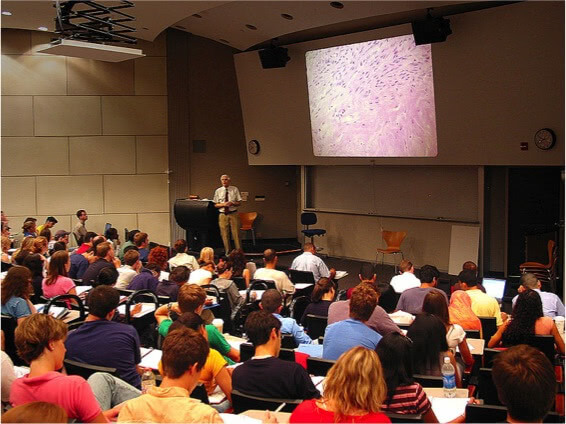
Flickr User: University of Michigan Medical School Information Services
When you look at a course catalog, you will see three types of subjects. First are the required courses, like math and English. Then there are majors courses that dive into the specifics of the degree you are pursing. And third are the elective classes. Electives are courses you choose based on individual choice, and they play an essential role in a well-rounded learning experience.
So, how many electives should you take? That often depends on your school’s graduation requirements. However, these classes are more than just fillers. They help develop intellectual curiosity and teach valuable skills that core classes don’t cover.
Common types of elective classes
Most schools offer a complete list of subjects to spark students’ interests.

High school elective courses
High school students often have more freedom to choose their elective classes. These electives often focus on well-rounded growth. You might take fine arts like art history or creative writing. Many students choose a foreign language like Spanish or French, and they usually look great to the College Board. You might also see life skills like personal finance or home economics.
College-level elective courses
For college students, electives often get more specific. You might take advanced-level courses in information technology, computer science, or molecular biology. These help you gain specialized knowledge for your future career. You may also find interdisciplinary studies. These combine different subject areas.
Community college vs. four-year university elective courses
Elective classes at community colleges may differ from those at four-year universities. At a local community college, electives often focus on foundational skills and preparatory courses. They are usually more affordable and help you explore personal interests before you transfer. At a four-year university, electives are often at an advanced level. They give you a deeper understanding of a specific course within your major.
The benefits of taking electives
Taking the best electives for you isn’t just about having fun. It is a non-core curriculum learning experience that builds social, emotional, analytical, or problem-solving skills.
- Explore interests: You might discover a passion for political science or environmental sciences.
- Build a resume: Graphic design or data analysis electives could be helpful for students interested in computer-based careers. Adding these to your resume provides tangible documentation of your skills.
- Boost creativity: Classes like media studies or drama promote creative interests.
Enhancing your academic experience
Elective classes offer a rest from a rigorous introduction to core subjects. They can turn a stressful school year into an exciting one. By focusing on something you love, like a public speaking elective, you stay engaged with school.
This boost in curiosity can also lead to better grades in your advanced classes. When you enjoy one part of your day, you often have more energy for the rest of your required courses. It can help prevent burnout during the long school year.
Tips for choosing the right electives
The decision-making process can be tough since there are so many available courses. Here are some specific strategies to help you pick:
- Think about career goals: If you want to be a data scientist, take more computer science classes. If you want to work in a hospital, look into electives in sports medicine.
- Consult a professional: Talk to your guidance counselor or advisor. They know which classes fit your college transition plan. They can also tell you about peer assistance groups.
- Challenge yourself: Don’t just look for easy As. Advanced students should look for advanced-level electives. Schools like Duke University like to see intellectual curiosity.
- Check the catalog: Read the college catalog or school course catalog carefully. Make sure the course offerings cover what you actually want to learn.
Balancing electives and core requirements
While it’s tempting to fill your schedule with your favorite electives, you should try to keep a balance. Your core curriculum helps you gain basic knowledge needed for higher education.
You must also make sure you are still meeting all graduation requirements. A well-rounded education includes both a strong core curriculum and a variety of the best elective courses. Think of it like a healthy meal. The core classes are the main course, and the electives are the side dishes that make the meal better.
How to make the most of your electives
To get the full value from your elective classes, you should treat them like core classes.
- Actively participate: Join in on group and individual leadership activities.
- Ask questions: Use your research skills to gain a deeper understanding.
- Stay enthusiastic: Treat your elective assignments with personal responsibility. Even if it isn’t a foundational class, your effort still counts toward your academic success.
- Connect with teachers: Your elective teachers often share your personal interests. They can be great mentors for your future career path.
Incorporating electives into a busy schedule
If your school year is already packed, you still have options. You don’t have to miss out on the best electives.
- Online learning: Many high school students take online learning electives. You can do these from home or during the summer.
- Community college: High schoolers can earn college credits by taking an elective course at a local community college.
- Independent study: If a class isn’t in the college catalog, ask about an independent study. This lets you research a topic on your own with a teacher’s help.
- Summer programs: Use your break to take an advanced-level course. This frees up time during the normal school year for your required courses.
The impact on your future career
Your choice in elective classes can follow you for a long time. They matter even after graduation requirements are met. Many employers look at your elective credits to see if you have varied foundational skills.
For example, a student who takes business management and public policy shows they have a desire to understand how organizations operate. A student who takes environmental sciences shows they care about the planet. These choices help tell the story of who you are as a person.
Growth beyond the core
Elective classes are a vital part of higher education. They help you define your career path and build leadership skills. By choosing the best electives, you take control of your own learning experience. You get to decide what you learn and how you grow.
Ready to build your ideal course list? Use College Raptor’s College Match tool to find the best schools that offer the unique electives you are looking for!