Key insights
- Many colleges allow students to stay on campus during the summer, but the requirements may be different from the fall and spring semesters.
- Summer classes are usually smaller, which may make them a great opportunity to tackle harder courses.
- Your financial aid may not automatically carry over to summer, so always check with your advisor before making plans.
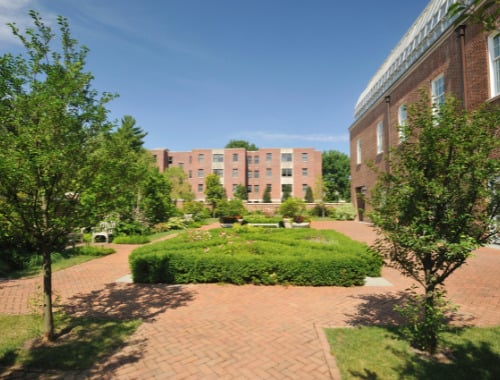
As the spring semester wraps up, you might be wondering what your summer will look like if you stay on campus. Some students take summer classes while others land internships nearby. Some just aren’t ready to head home quite yet, and that’s okay too.
Whatever your reason, staying at college over the summer is a different experience from a typical semester. Here’s what you need to know before you decide.
Where can I live if I stay on campus during summer?
Housing options vary a lot from school to school. Some colleges offer summer leases in the same dorms you live in during the year. Others may move summer residents into a specific building. And some schools only allow students to stay on campus if they are enrolled in classes or working in an on-campus internship.
Before you make any plans, contact your housing office to ask:
- Is on-campus housing available for summer?
- Are there any enrollment requirements to stay?
- Is the cost different from a regular semester?
- Can I use my financial aid and scholarships for summer school?
- Does summer housing include a meal plan?
If on-campus housing isn’t an option, look into off-campus apartments in your college town. Many landlords near universities are used to accommodating students over the summer.

Can I take summer classes? What are my options?
Yes, and summer classes may be worth considering even if you weren’t planning on them. Here’s why:
- Smaller class sizes: Fewer students mean more one-on-one time with your professor. This may make it easier to tackle a challenging course.
- Faster pace: Summer sessions are shorter, so the material moves quickly, so be prepared to stay on top of deadlines.
- Get ahead or catch up: Summer classes are a great way to lighten your future course load or make up credits you need.
- Protect your financial aid: Some scholarships and grants require full-time enrollment. Taking a summer class may help you maintain that status, but always verify with your financial aid office first.
Check your school’s summer course catalog early. Popular classes can fill up fast.
Can I work or intern on campus over the summer?
Absolutely, and this is one of the best reasons to stay. Summer is a great time to gain real work experience without the pressure of a full course load.
On-campus jobs and internships give you the chance to:
- Build your resume in your degree field
- Connect with professors and professionals you wouldn’t normally have access to
- Strengthen your network for future job opportunities
Many colleges allow students to live on campus if they are working or interning there, so it may solve both your housing and experience questions at once. Check with your employer or internship coordinator to confirm.
Does my financial aid still apply in the summer?
Not automatically. Financial aid for summer is often handled separately from the fall and spring semesters, and not every student qualifies for the same amount.
Here’s what to do:
- Talk to your financial aid advisor early to find out what you’re eligible for.
- Check your FAFSA. Some summer aid is tied to leftover eligibility from your annual FAFSA.
- Look for summer scholarships and use College Raptor’s Scholarship Search for free to find more options to help make your summer on campus more affordable.
- Budget for the difference. Summer semesters with fewer credits may cost less overall, but you may also receive less aid to offset it.
Is staying on campus over the summer worth it?
It depends on your situation. Here’s a quick look at both sides.
Reasons to stay:
- Your college town feels like home, and going back isn’t the right fit for you right now.
- You have a job, internship, or classes that keep you on campus.
- Your friends are staying, and you’d rather be with them than at home.
Reasons to think twice:
- Summer housing usually costs extra and may not include a meal plan.
- You may feel homesick without your family and hometown friends nearby.
- The campus is much quieter, which isn’t for everyone.
There’s no wrong answer. Some students love the slower pace of a summer campus. Others find it isolating. Think honestly about what you need to recharge before the fall semester.
Quick tips for making the most of your summer on campus
- Explore your campus differently. Fewer students means easier parking, shorter lines, and quieter study spots.
- Invite people to visit. If you’re worried about missing home, plan a visit from family or friends.
- Take advantage of campus resources. Libraries, gyms, and career centers are open and will likely be less busy.
- Get outside. Use the extra free time to explore your college town and nearby areas you never had time to visit during the semester.
- Set a budget. Between housing, groceries, and activities, costs can add up. Know what you’re working with before summer starts.
See if a summer on campus is right for you
Staying on campus over summer is no small decision, but it can be a rewarding one. Whether you’re taking classes, building your resume, or simply making the most of your college experience, a little planning goes a long way.
Need help figuring out your next steps for the fall? Use College Raptor’s College Match tool to explore schools and plan for summer and beyond.