Key takeaways
- Private colleges are higher educational institutions funded by tuition fees, endowments, and alumni donations.
- Private colleges tend to have smaller enrollment numbers, smaller class sizes with favorable student to faculty ratios, and often have tight knit campus communities.
- While tuition is usually higher, financial aid can help lower the actual cost.
- Looking at price, campus culture, and academic fit can help you decide if a college is right for you.

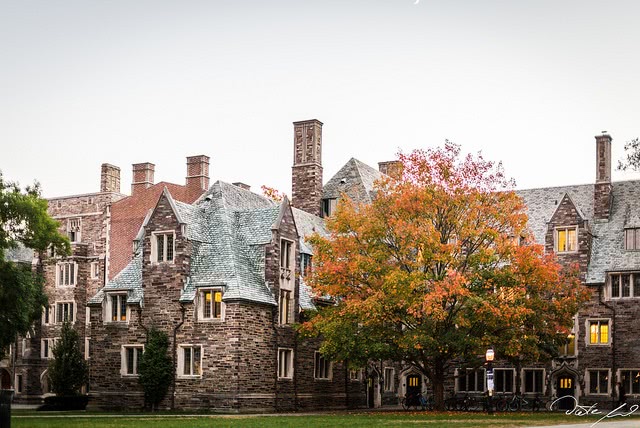
Flickr user ehpien
Choosing a college is probably one of the biggest decisions you’ll make after high school. You may be wondering if you should attend a private college or a public university. Public schools are usually larger and have more diversity in terms of clubs/activities, course offerings, and campus culture. Private colleges tend to be smaller, have close knit communities, and provide high quality, hands on learning; but they can also be more expensive.
Let’s explore the benefits of attending private colleges along with considerations, and how to make it more affordable if it’s right for you.
What is a private college?
A private college or university is not funded by a state government. Instead, these schools rely on tuition, donations, grants, and endowments to support their programs. Most private colleges are nonprofit institutions.
Private colleges are usually smaller than public universities. Because they do not receive state funding, their tuition prices are often higher. But many private colleges use their resources to offer strong financial aid packages. They can also provide personalized support for students.

What are the benefits of going to a private college?
Private colleges have a lot of benefits. They are a good choice for students who want high quality education, smaller class sizes, more facetime teachers, and a friendly campus where people know each other. Here are five benefits of private colleges to consider:
1. Strong academic focus
Private colleges often place academics at the center of campus life. Classes are designed to encourage discussion, problem-solving, and a deeper understanding of the material. Students are often expected to participate and take ownership of their learning.
This can be a good fit for students who enjoy a focused learning environment and close guidance from professors.
2. Smaller class sizes
One of the biggest benefits of private colleges is smaller class sizes. Instead of sitting in large lecture halls, students are more likely to be in classes with 15 to 30 classmates.
Smaller classes make it easier to:
- Ask questions
- Join discussions
- Receive direct feedback from professors
3. Closer relationships with professors
With fewer students on campus, professors at private colleges often know their students well. These strong relationships can help students with:
- Research opportunities
- Career advice
- Letters of recommendation for jobs or graduate school
- Networking
4. Close-knit campus community
Private colleges often offer a strong sense of community. Students usually see familiar faces in classes and around campus. This can help you make friends more easily.
Many students also stay connected with alumni after graduation. These connections can lead to helpful networking and career opportunities.
5. Strong financial aid opportunities
While private colleges usually have higher sticker prices, many students pay much less than the listed tuition. About 90% of first-time, full-time students at private non-profit colleges receive some form of financial aid. This aid may include scholarships, grants, and need-based assistance.
Because of this support, the actual cost of attending a private college can be more affordable than many families expect.
What are the cons of private colleges?
- High sticker price: Tuition can seem expensive before financial aid is applied.
- Fewer majors: Smaller schools may not offer as many degree programs or specialty fields.
- Less diversity: Some private colleges may have smaller or less diverse student populations.
- Smaller campus life: Fewer students may mean fewer clubs, sports teams, or large events.
- Limited research options: Some private colleges may not have large research facilities or labs.
How to pay for private college
Paying for private college often involves using several resources. Many students and families combine financial aid and scholarships to lower costs. Below are a few ways to look into when considering how to pay for private college:
Scholarships and grants
Private colleges often offer scholarships based on grades, test scores, leadership, or talents. Need-based grants may also be available depending on family income. Filling out the FAFSA (Free Application for Federal Student Aid) is an important first step, even if you think you may not qualify.
Federal student loans
Federal student loans can help cover remaining costs after scholarships and grants. These loans usually have lower interest rates and more flexible repayment options than private loans.
Work-study and part-time jobs
Some students qualify for work-study programs, which allow them to earn money through on-campus jobs. Others work part-time off-campus to help pay for personal expenses.
Compare the net cost
When considering private colleges, it’s important to look past tuition alone. Looking into the total cost, academic fit, and campus culture can help you find the best option for your needs and budget.
Discover the right college for you
Private colleges can be a great choice for students who want small class sizes, strong academic support, and a close-knit community. But they may not be the best fit for students who want a wide range of majors or lower upfront tuition costs.
The key is to compare your options carefully. That means looking past the sticker price. Check into financial aid, campus culture, and net cost. These considerations can help you make a confident and informed decision.
To explore your options, use College Raptor’s FREE College Match tool. You can compare schools and find colleges that fit your goals and budget.