Key takeaways:
-
- Medical Radiologic Technology/Science has one of the highest median salaries of all 2-year medical degree programs in healthcare at $101,900
- Other top paying jobs that only require an associate’s degree include Dental Hygienist, MRI Technician, and Occupational Therapist Assistant.
- You’ll often have to complete a clinical rotation, pass a state exam, and receive a license or certification to practice in your state.
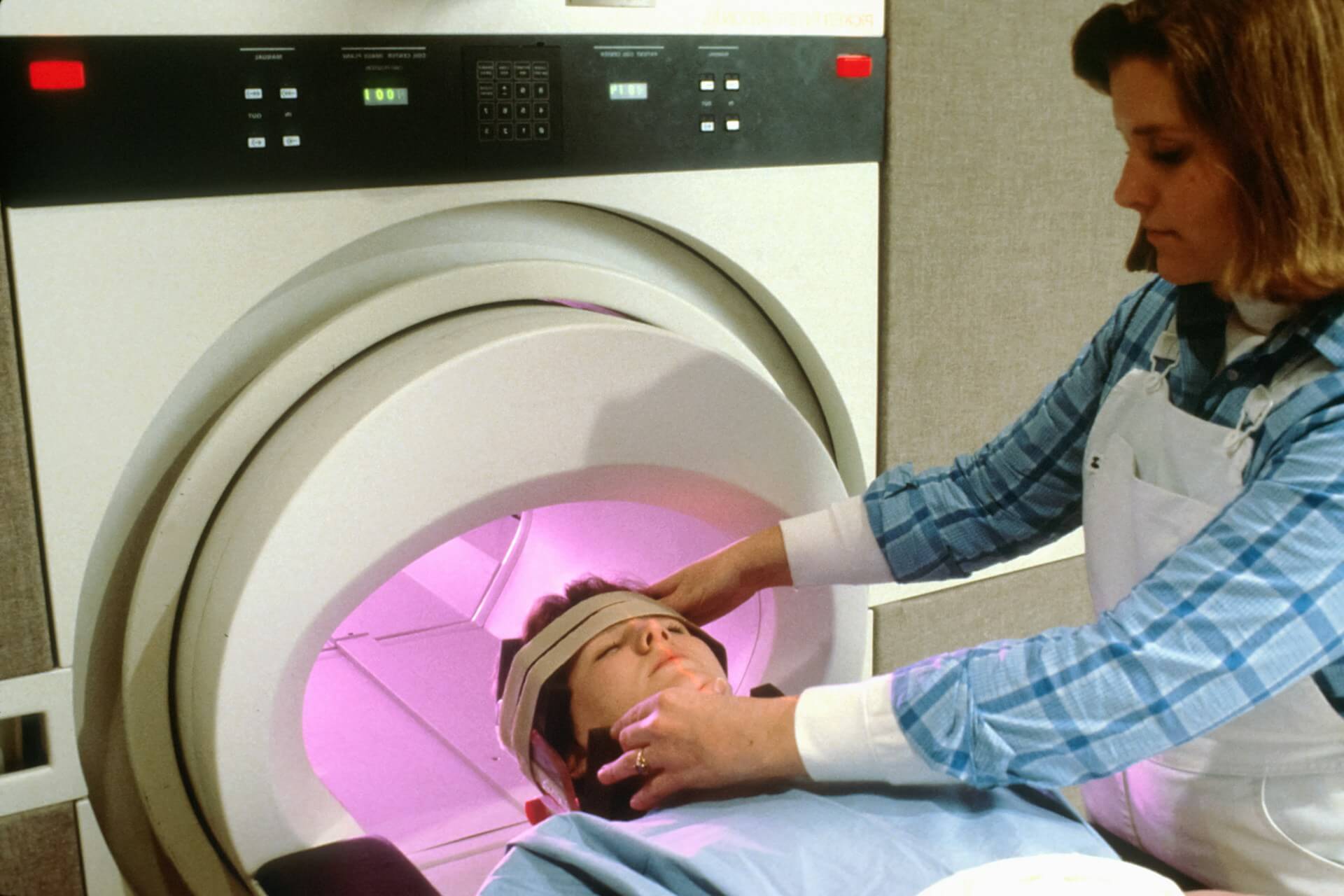
From Medical Radiologic Technology to Physical Therapy Technician, there are several 2-year healthcare related medical degrees that pay well. These programs can be an excellent way to enter the healthcare industry faster, and they tend to be more affordable than 4-year degrees. In this guide, we’ve highlighted 10 associate‑level healthcare programs that only take 2 years to earn, potential careers, and what to expect from your courses.
2-year medical degrees in healthcare that pay well
These 10 associate’s degree programs are all based in healthcare and have median salaries of over $65,000 a year. We’ve also included projected job growth between 2024 and 2025.

1. MEDICAL RADIOLOGIC TECHNOLOGY/SCIENCE – RADIATION THERAPIST
- Average median salary: $101,900
- Projected job growth: 1.9%
Radiation Therapists are one of the highest paying 2-year associate‑level healthcare programs available. Radiation Therapists help treat patients with cancer and similar diseases, working closely with Radiation Oncologists.
Medical Radiologic Technology/Science programs cover radiation treatment, patient management, record keeping, anatomy, treatment planning, radiation biology, and more. Students participate in clinical coursework, which includes hands-on experiences in real healthcare settings. After you earn your associate’s degree, you may have to sit for a board examination to earn certification to work in your state as a Radiation Therapist.
2. NUCLEAR MEDICINE TECHNOLOGY/TECHNOLOGIST
- Average salary: $97,020
- Projected job growth: 3%
Nuclear Medicine Technologists perform tests, such as positron emission tomography (PET) scans and electrocardiograms (ECG), with radiopharmaceuticals and imaging equipment to help diagnose patients.
Classes for Nuclear Medicine Technology focus on math, anatomy, patient care, chemistry, nuclear medicine, physics, radiopharmacology, and radiation biology. You’ll also have to complete clinical rotations, and most employers require certification with your degree.
3. Dental Hygiene/Hygienist
- Average salary: $94,260
- Projected job growth: 7%
Dental Hygienists are the medical professionals who often perform your teeth cleanings at the dentist. They may also take x-rays, offer tooth scaling, administer local anesthesia, and conduct health screenings.
You’ll need to sit for an examination to receive your license to practice in your state after you earn your associate’s. Students in Dental Hygiene programs learn about anatomy, physiology, chemistry, microbiology, dental hygiene, oral embryology, radiology, dental health, pain management, and pharmacology.
4. Diagnostic Medical Sonography/Sonographer and Ultrasound Technician
- Average salary: $89,340
- Projected job growth: 13%
Diagnostic Medical Sonographers, also known as Ultrasound Technicians, perform ultrasounds on patients, which can help diagnose and monitor health conditions.
Classes include core medical foundations, such as biology and anatomy, as well as sonography courses on various body parts and specializations, such as abdominal, breast, brain, heart, pediatric, obstetric and gynecologic, vascular, or musculoskeletal. Some Sonographers choose to specialize in a specific area.
5. Magnetic Resonance Imaging (MRI) Technology/Technician
- Average salary: $88,180
- Projected job growth: 7.1%
Magnetic Resonance Imaging (MRI) Technologists work with MRI scanners to help diagnose patients. They also provide patient care, explaining the procedure, helping with anxiety, and making sure the individual will be safe during the test.
MRI Technology courses include foundational knowledge, as well as ethics, imaging science, MRI fundamentals, and MRI screening. There is also often a clinical rotation. Some states require MRI techs to be licensed and certified.
6. Respiratory Care Therapy/Therapist
- Average salary: $80,450
- Projected job growth: 12.1%
Respiratory Therapists work closely with doctors to help patients with breathing diseases and disorders such as COPD, pneumonia, lung cancer, and others. They administer treatments, operate ventilators, and teach patients how to use equipment at home.
Students in Respiratory Care Therapy programs learn about pharmacology, physiotherapy, respiratory treatments, diagnostic techniques, and ethics. You’ll need to complete a clinical rotation and obtain certification after graduation.
7. Occupational Therapist Assistant
- Average salary: $68,340
- Projected job growth: 19.2%
Occupational Therapist (OT) Assistants, under an OT, help patients with their physical, emotional, and social health, often in rehabilitation situations. Care depends on the patient, but it can include teaching patients exercises, how to use equipment, and how to complete daily tasks.
OT Assistant associate’s degree programs include clinical rotations and classes on psychology, anatomy, OT principles, and therapy. Most states require you to pass the National Board for Certification in Occupational Therapy exam for your license.
8. Health Information/Medical Records Technology/Technician
- Average salary: $67,310
- Projected job growth: 14.7%
Future Health Information Technologists And Medical Registrars can often choose from several different areas of study, such as Health Information/Medical Records Technology/Technician, Medical Insurance Coding Specialist/Coder, Health Information/Medical Records Administration/Administrator, and Medical Informatics.
These healthcare professionals work with computer systems to manage healthcare data, patient records, insurance details, and billing. They analyze medical care, develop databases, code patient data, monitor health record storage, prepare reports, retrieve medical records, and more.
Health Information Technology programs teach medical terminology, computer fundamentals, pharmacology, health information management, anatomy, health IT, CPT coding, statistics, and quality improvement.
9. Cardiovascular Technology/Technologist
- Average salary: $67,260
- Projected job growth: 3%
Cardiovascular Technologists and Technicians specialize in treating patients with heart, blood vessel, or circulatory system concerns. They use sonography to help doctors diagnose patients, assist with surgery, monitor conditions, and provide general patient care.
Students in these programs may be able to choose between invasive cardiovascular (surgery) and non-invasive cardiovascular technology (sonography). They learn about anatomy, microbiology, chemistry, cardiopulmonary technology, pharmacology, and more, while gaining hands-on experience.
10. Physical Therapy Technician/Assistant
- Average salary: $65,510
- Projected job growth: 22%
Physical Therapy Assistants (PTAs) work with licensed PT to provide physical therapy treatments to patients. They’re found in hospitals, schools, rehabilitation facilities, and more, offering therapeutic exercises, functional mobility training, and other treatments that help reduce pain and improve movement.
To become a PTA, you must complete an accredited program. Many states also require you pass an exam to be licensed or certified. PTA programs include courses on anatomy, exercise psychology, biomechanics, kinesiology, ethics, communication, neuroscience, and more.
Should you pursue an associate-level healthcare program?
If you’re interested in the medical field but don’t want to spend a lot of time in school, a 2-year medical degree in healthcare can be the perfect way to achieve your goals. Keep in mind that spots are limited in these programs, so apply early to improve your chances of getting a seat.
College Raptor can help you find the right 2-year medical program for you. Start with College Match today!