Key takeaways
- Homeschool students may be allowed to play public school sports under state laws like the “Tim Tebow Law.”
- Rules vary by state and even by school district, so it’s crucial to check local regulations.
- Students may be required to meet academic, residency, and enrollment criteria.
- There are alternative sports options for homeschooled students, including recreation teams, travel leagues, and homeschool-specific teams.
- Playing public sports can offer socialization, athletic development, and scholarship opportunities.
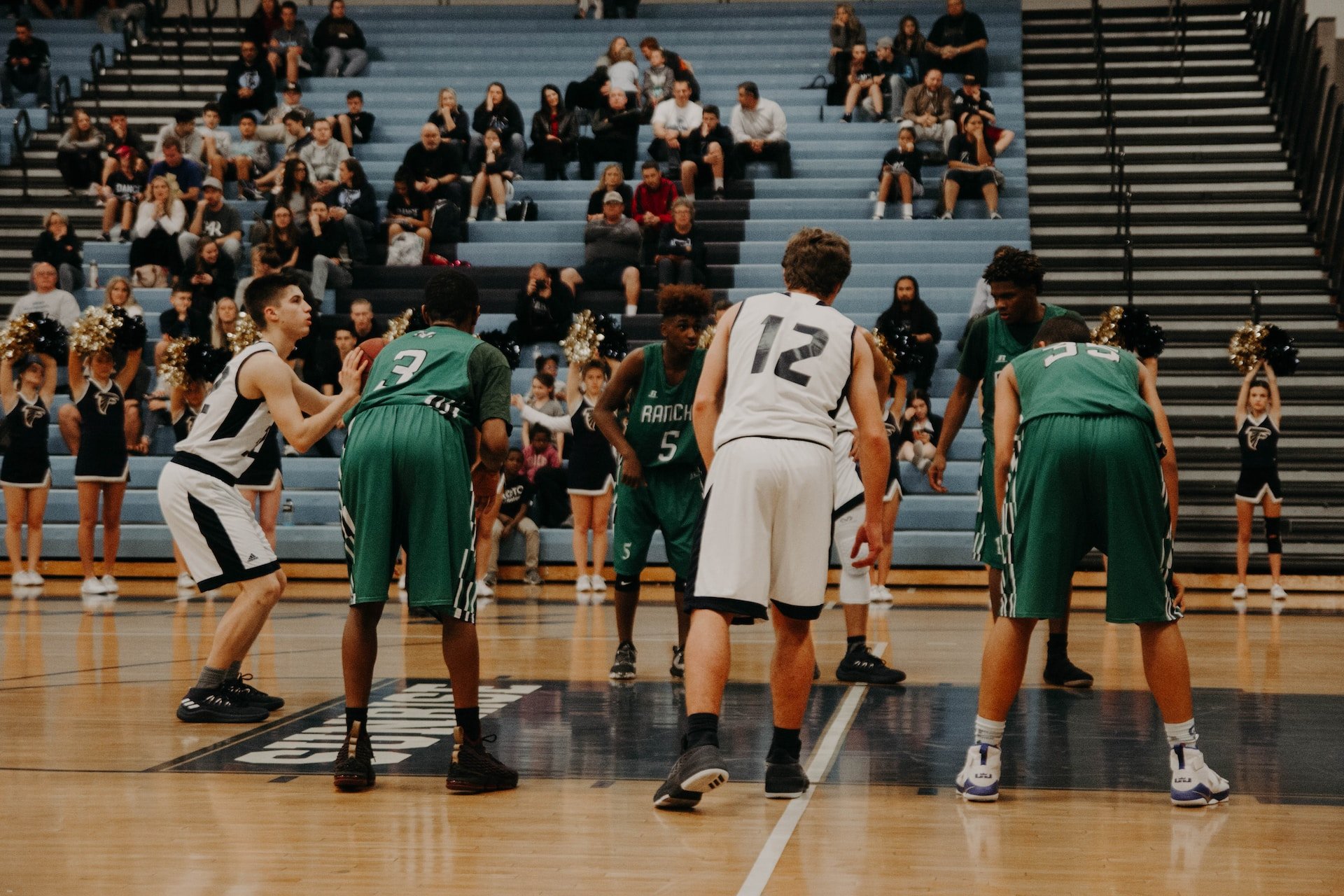
Playing sports is an exciting part of the middle school and high school experience. For many students, the joy of stepping onto the field, competing with teammates, and chasing their dreams creates lasting memories.
But what if you’re homeschooled? Can homeschool students play public sports? The answer isn’t always simple. It depends on state laws, school policies, and eligibility requirements. But it is possible.
Let’s dive into everything you need to know about homeschool students and public school athletics.
How does homeschooling differ from public schooling?
Homeschooling allows parents to educate their children outside the traditional public or private school system. Some students have a set schedule. Others have flexible lessons based on their interests.
Even though homeschooled students get a different type of education, many of them still want to play sports. Playing school sports helps students learn teamwork, stay active, and compete for college scholarships.

What is the Tim Tebow Law?
The Tim Tebow Law, passed in 2012, allows homeschooled students in many states to join public school sports. Tim Tebow, a famous football and baseball player, was homeschooled but wanted to play football for a Florida high school. This law makes it easier for homeschooled students to have the same opportunities in sports as other students. Not all states have this law, so rules can vary depending on where you live.
What should homeschooled students know before trying out for a public school team?
If you’re a homeschooled student and want to play sports at a public school, there are a few things you need to consider.
What are the eligibility rules?
Each state has its own rules for homeschooled students. Some require students to:
- Show academic progress
- Live in the school district
- Register part-time with the school
What challenges might homeschool athletes face?
Even when participation is allowed, families may still run into challenges, such as:
- Transportation to and from practices or games
- Submitting academic records for eligibility checks
- Paying athletic fees or costs
- Adjusting to school team rules, schedules, and expectations
These challenges can be managed, but it’s important to prepare ahead of time.
What are alternative options for homeschool students?
If public school sports aren’t an option, students can try:
- Recreation leagues — local programs like YMCA sports
- Travel teams — more competitive leagues for serious athletes
- Homeschool-only teams — groups created specifically for homeschooled students
Which states let homeschooled students play public sports?
Many states have passed the Tim Tebow law or similar rules, including:
- Alabama
- Alaska
- Arizona
- Arkansas
- Colorado
- Florida
- Georgia
- Idaho
- Illinois
- Iowa
- Kansas
- Kentucky
- Louisiana
- Maine
- Maryland
- Massachusetts
- Michigan
- Minnesota
- Missouri
- Montana
- Nebraska
- Nevada
- New Hampshire
- New Mexico
- New York
- North Dakota
- Ohio
- Oregon
- Pennsylvania
- Rhode Island
- South Carolina
- South Dakota
- Tennessee
- Texas
- Utah
- Vermont
- Washington
- Wisconsin
- Wyoming
Some states leave eligibility decisions up to individual school districts, so even if it’s legal statewide, eligibility may still vary.
Laws can change, so check with your state or school district before signing up.
How can homeschool students join public school sports?
Just follow these simple steps:
- Research your state’s rules — Look for the Tim Tebow law or similar rules.
- Contact the school athletic director — Ask about eligibility and tryout rules.
- Show academic progress — Some states need proof of grades or classes.
- Prepare for tryouts — Homeschool students compete just like other athletes.
- Consider alternatives — Recreation, travel, or homeschool sports may be available if public school teams aren’t an option.
What is the controversy about homeschool students and public school sports?
The controversy is about whether homeschool students should be allowed to play on public school sports teams. Some people believe they should have access to the same opportunities. Others think it’s unfair to students who already attend those schools. Many schools also worry about funding, academic requirements, and scheduling challenges.
What are the arguments for and against homeschool students playing public sports?
The arguments for include:
- Teamwork and social skills: Homeschool students gain chances to make friends and work with a team.
- Athletic growth: Public school sports offer structured training and competition.
- Scholarships: Playing on a school team can help students get noticed by college recruiters.
- Fairness: Some believe students shouldn’t lose opportunities because they’re educated at home.
The arguments against include:
- Limited spots: Roster space is limited, which may reduce chances for enrolled students.
- Scheduling issues: Homeschool schedules may not align with practices and games.
- Academic eligibility: Schools must ensure all athletes meet the same academic standards.
- Funding: Adding more players can affect budgets and resources meant for enrolled students.
Do public schools benefit when homeschool students join?
Yes, public schools can benefit when homeschool students join sports teams. These students can strengthen rosters, increase competitiveness, and contribute to team success. Examples include:
- Filling roster spots: Helps teams have enough players to compete.
- Improving performance: Talented homeschool athletes can boost team results.
- Program sustainability: Higher participation can help maintain or justify funding for school athletic programs.
This creates a win-win: schools maintain strong teams, and homeschool students gain access to organized sports.
Bottom line: Can homeschool students play public school sports?
In many cases, yes, homeschool students can play public school sports. Rules vary by state and school district, so it’s important to do your research first. Playing sports can help homeschool students build skills, make friends, and earn scholarships. If public school sports aren’t available, there are still plenty of options to stay active and competitive.
Public schools may also benefit from allowing homeschooled students to join teams. This can help increase participation and competition. Plus, it may foster connections with homeschool families.
Find your team and your college
With the right information and support, homeschool student-athletes can find a team where they belong and show what they’re capable of. Whether a student dreams of playing in middle school, high school, college, or beyond, sports can build confidence, leadership, and lifelong skills.
Ready to take the next step in your educational journey? Use College Raptor’s FREE Scholarship Search tool to explore colleges, majors, and scholarships online. This easy tip can help you plan a future that fits your goals.