Key Takeaways
- A car can make college life easier, but expenses for gas, insurance, and parking add up.
- Public transit, biking, or carpooling are more affordable and can be easy to use.
- Review your campus parking rules and plan your budget before making this decision.
- Every student’s needs are unique, which is why there isn’t one right answer to this question.

Going to college means making a lot of important decisions. One big consideration involves having the “should I bring my car to college” conversation. A car can make life easier, but it can also cost a lot. Some students live on campus while others live close and commute. Considering your school, budget, and lifestyle can help you decide.
Let’s break down the pros and cons of having a car, the costs to expect, and tips to make the best choice for your college experience.
Why Does Transportation Matter?
Getting around campus is an essential part of college life. You need to attend classes and may also have work and extracurricular activities. You may need to run errands, want to visit friends, or take occasional weekend trips. How you travel affects your daily routine and your sense of freedom. For many students, having the “should I bring my car to college” conversation is one of the first practical steps in planning for school.

What Are the Pros and Cons of Bringing a Car to College?
Deciding whether or not to bring a car to campus may feel overwhelming, but exploring the following pros and cons can make your decision easier.
Pros:
- A car can give you the freedom to travel whenever you need.
- It is convenient for errands, jobs, or weekend trips.
- You can easily explore areas near campus.
Cons:
- Parking is limited and can be expensive.
- Gas, insurance, and maintenance costs add up.
- Traffic on or near campus can be stressful.
Even a fuel-efficient car—like a hybrid or all-electric vehicle—costs money to maintain. It’s important to weigh convenience against the overall expenses.
What Are the Costs of Bringing a Car to College?
Bringing a car with you to campus isn’t just about buying it. You must think about ongoing costs, including:
- Insurance: Young drivers usually pay more.
- Fuel: Gas adds up fast, especially for long drives.
- Maintenance: Oil changes, tires, and repairs are ongoing costs.
- Parking fees: Some campuses charge daily or yearly fees for student parking.
If you plan to use Federal Student Aid, remember that car costs are usually not covered, so budgeting carefully is very important.
Tips To Help You Decide
If you’re considering bringing a car to college, planning ahead can help you save money and reduce stress. Here are some practical tips to make this decision easier:
- Review your campus parking rules. Some colleges limit where first-year students can park.
- Budget for monthly costs like car insurance, gas, and parking.
- Carpool with friends whenever possible to help save money.
- Discuss transportation options with resident assistants and academic advisors.
- Explore your school’s website to learn about the different types of available transportation.
By following these practical tips, you can avoid surprises and see if having a car aligns with the campus experience you envision.
What Are the Different Types of Alternative Transportation?
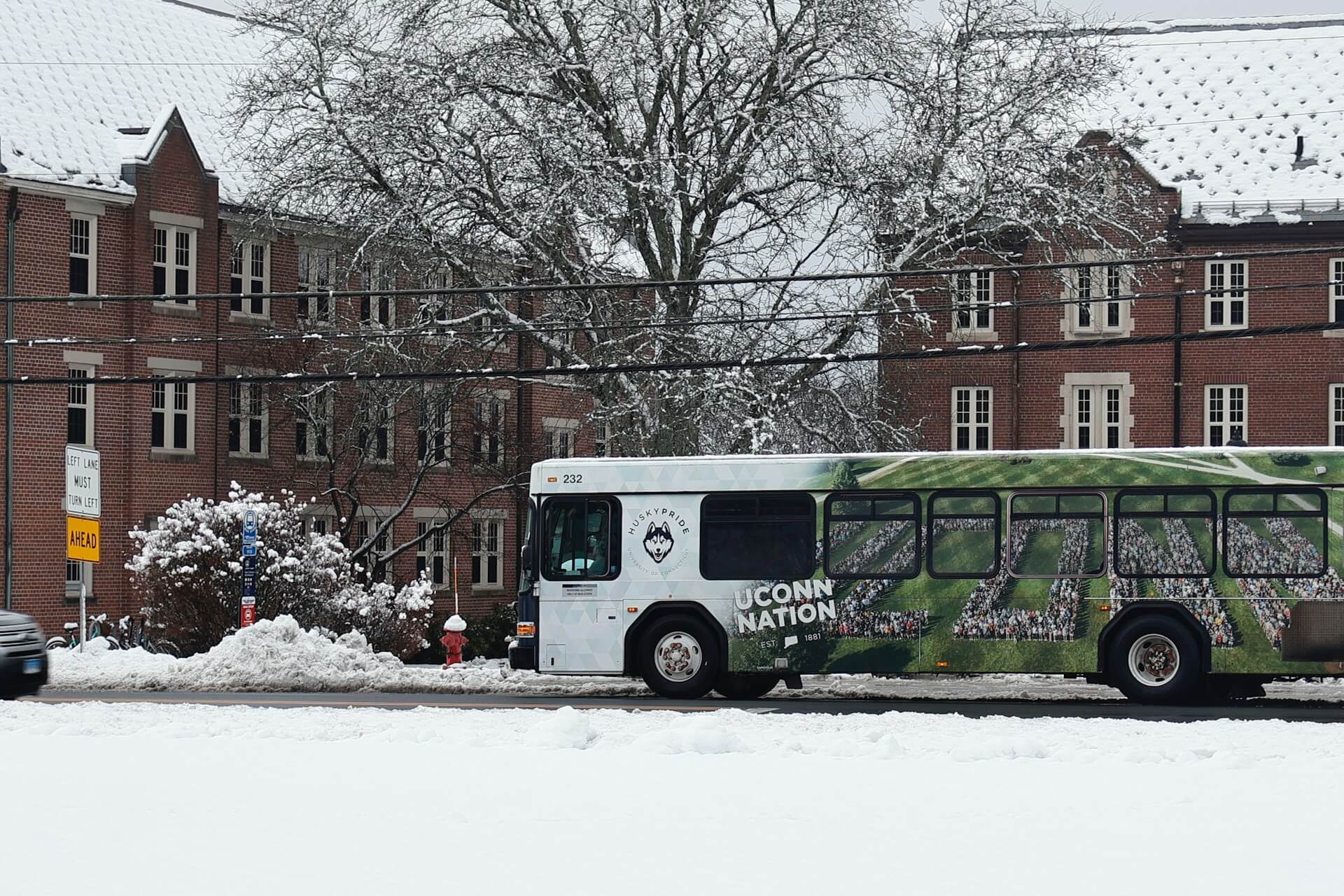
A car is not the only way to travel around campus. There are many alternative transportation options you can consider, and many colleges offer the following choices:
- Public Transportation: Buses or shuttles connect dorms, classes, and nearby neighborhoods.
- Bike Programs: Some schools have bike-sharing or rental programs.
- Walking: Many campuses are compact, making walking easy.
Alternative transportation can be cheaper, healthier, and environmentally friendly. Some schools, like the University of Maryland, provide multiple transportation choices for students, such as free shuttles across campus, Metro access, and bike-sharing programs. This shows that having a car isn’t always necessary to travel where you need to go.
How Should I Decide if I Should Bring a Car?
To make the best choice for your needs, consider the following:
- Distance from home or weekend destinations
- Availability of public transit or campus shuttles
- Your daily schedule, work, and extracurricular activities
- How important convenience is compared to cost
There is no one-size-fits-all answer to this question because each student has a unique lifestyle and budget.
What To Keep in Mind if You Decide To Bring a Car
Bringing a car to college can make life easier, but it also comes with several responsibilities. Consider these guidelines to make the most out of having a vehicle on campus.
- Follow campus parking regulations to avoid tickets or being towed.
- Maintain your car properly by checking the oil, tires, and fluids regularly.
- Carpooling can reduce expenses as well as wear and tear on your vehicle.
- Plan for emergencies. Know where the nearest mechanic is or how to contact roadside assistance.
By staying organized and prepared, you can enjoy the convenience of having a car while avoiding common problems and extra stress.
What Are the Benefits of Not Bringing a Car to Campus?
Not having a car on campus can provide you with the following advantages:
- You can increase your savings on insurance, gas, and maintenance.
- You can minimize your environmental impact.
- You are more likely to walk or bike, which can be beneficial for your health.
- You can avoid the hassle of struggling to find parking or navigating congested traffic.
Some students find life considerably more manageable without a car, especially if they attend a small or well-connected college or university.
Make the Best Decision For You
Having the “should I bring my car to college” conversation is important. A car can give you freedom, but it can also be costly. To make the best decision, consider factors like your campus, budget, and lifestyle. There is no single right answer to this challenging question—what matters is finding what works well for you. By planning ahead, you can make an informed decision and enjoy your college years with less stress.
Looking to save money while you’re at college? Check out our FREE Scholarship Finder tool to discover awards that can help cover tuition, books, and other expenses.