Key Takeaways:
- A college is generally a higher education institution that only offers up to bachelor’s degrees.
- A university offers bachelor’s degrees in addition to postgraduate degrees, such as master’s or doctorates.
- Experiences can vary depending on the type of school, so students should compare college vs. university before applying.
Josue Mendivil via Flickr
In the United States, “college” and “university” are often used interchangeably to describe post-secondary education institutions. However, they’re actually different. Colleges usually only offer undergraduate degrees, while universities grant advanced degrees, including master’s, Ph.Ds, and professional certificates. If you’re pursuing higher education after high school, here’s a breakdown of college vs. university to help you choose the right institution for you.
What is a college?
A college is a postsecondary education institution that offers undergraduate degrees, such as associate’s and bachelor’s. These can include community colleges, or 2-year schools, and 4-year colleges.
Many of these schools focus on liberal arts, which requires students to take general education courses along with major classes. There are research-centric colleges, but they’re less common overall.

What Is a University?
A university is a higher education school that offers undergraduate and graduate degrees, such as masters, Ph.Ds, and professional certificates. All universities have “colleges,” which is specifically for undergraduate students.
Universities might be research-focused, liberal arts-focused, or offer both types of programs equally. They often have several different schools on campus that focus on specific subjects, such as medicine, law, business, or engineering.
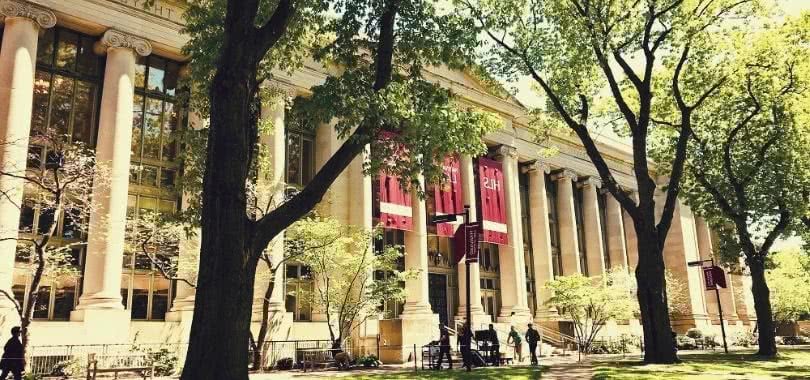
For example, Harvard University’s undergraduates attend Harvard College. Graduates might then attend Harvard Law School or Harvard Business School to earn higher degrees.
College vs. University
Colleges and universities are found all over the United States, in rural areas to city centers. They can be private or public.
Understanding the difference between colleges and universities can help you determine the best school for your education and career goals. While these aren’t strict guidelines, here are some trends you might notice when comparing the two:
- Student body sizes: Colleges tend to have smaller student bodies compared to universities, resulting in smaller class sizes and more personalized learning experience. Universities may have small classes and lower student-to-faculty ratios, but they often have more classes in lecture halls with more students.
- Academic programs: Universities usually offer more academic programs than colleges, so students have more to choose from for classes, majors, and minors. Some universities even have programs that help undergraduates start on their master’s degree.
- Focus: Colleges often focus on learning and liberal arts, while universities place a larger emphasis on research.
- Campus size: Colleges’ campuses are usually smaller than universities, making it easier to get from your dorm room to classes, but there may be little room for advanced facilities.
- Resources: Universities with larger budgets and campuses have more money and space for libraries, research centers, and advanced equipment.
- Diversity: Since universities tend to be larger, they’re often the more diverse of the two. They also usually have more clubs and organizations.
- Tuition: Colleges tend to be less expensive than universities. Attending a community college instead of a 4-year school for your first two years can save you tens of thousands of dollars.
- Endowment: Private universities often have larger endowment programs compared to colleges, which can affect how much financial aid you’re offered.
Should You Attend a College or a University?
When comparing the two, think about your personal goals and preferences.
You should attend a college if you want a personalized experience in the classroom, a more intimate campus, and a lower cost. You might want to go to a 4-year college if you’re not sure about your education goals after your bachelor’s degree. Consider attending a community college if your desired career path only requires an associates or if you want to save significantly on costs. You can always transfer to a 4-year school later.
Universities are ideal for students who want to focus on research, a diverse community, a large, bustling campus, and more undergraduate program options. You might also want to attend a university if you’re planning on advancing your education beyond a bachelors, or if you require a large grant or scholarship in order to earn your degree.
It’s more important to find the right school for you – whether that’s a college or a university. College Raptor makes it easy to compare your options and discover the institutions that meet your needs, wants, and goals. Use College Match today for free to get started.