Key Takeaways
- ROTC is a college program that trains students to become commissioned officers.
- Programs are available at over 1,700 colleges across the U.S.
- ROTC offers scholarships that can cover tuition, fees, and living expenses.
- Participation requires a commitment to serve in the military after graduation.
- Each branch (Army, Air Force, Navy, Marine Corps, and Space Force) offers different training and career paths.
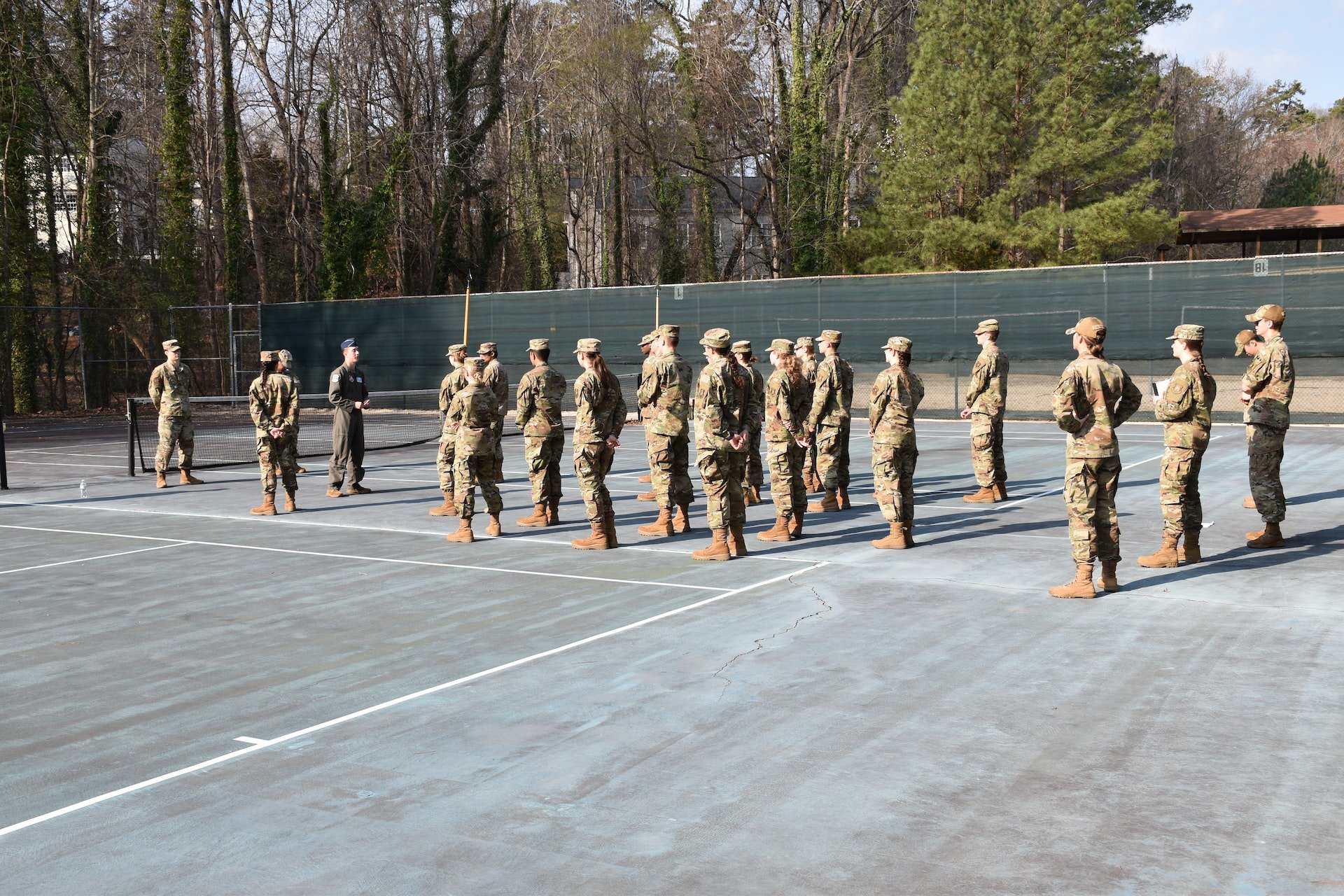
Over 1,700 colleges and universities in the US have ROTC programs.
The Reserve Officers’ Training Corps (ROTC) is a military leadership program. It is available at more than 1,700 colleges and universities across the United States. ROTC prepares students to commission as officers in the U.S. Army, Navy, Marine Corps, Air Force, or Space Force.
For many students, ROTC offers professional development and financial support. Some cadets receive full-ride scholarships. These awards cover tuition, fees, and living expenses. But participation comes with a commitment. Graduates must serve in the military for a set number of years after earning their degree.
Thinking ROTC may be right for you? Here is what it means, what to expect, and the benefits of joining.
What Does ROTC Stand For?
ROTC stands for Reserve Officers’ Training Corps. It is designed to help college students pay for school. In the process, it prepares them for entry-level military positions as commissioned officers.
This program combines:
- Military Science Courses (also called naval science or aerospace studies, depending on the branch)
- Leadership Labs and unit training
- Classroom Instruction on leadership, tactics, and history
- Field Training Exercises (FTX) and summer programs (like Air Assault or Ranger Challenge)
ROTC graduates usually commission as Second Lieutenants in the Army, Air Force, or Space Force. They may also become Ensigns in the Navy.

What Does ROTC Training & Coursework Look Like?
ROTC programs are broken into two main phases:
The Basic Course (MS I & II)
- Taken during the first two years of college
- Includes introductory military science classes, physical training, and leadership development
- Covers topics like decision-making, military customs, history, and basic tactics
- Open to most students without a service obligation
The Advanced Course (MS III & IV)
- Upper-division ROTC students, known as “contracted cadets”
- Focuses on unit leadership, tactical planning, and military operations
- Requires attendance at the summer Advanced Camp at Fort Knox (also known as the Leadership Development and Assessment Course)
- Completion leads to commissioning as an officer
What Are the Benefits of Joining ROTC?
Joining ROTC can offer the following advantages:
Scholarships & Financial Support
Many cadets receive scholarships that cover tuition, fees, textbooks, and monthly stipends. Non-scholarship cadets may still take part and be commissioned. They can gain leadership training and reserve opportunities.
Professional & Career Development
ROTC helps build leadership, discipline, and teamwork. These skills are valued in the military and civilian careers. Graduates have access to competitive pay and healthcare benefits. Plus, they can explore advanced training opportunities.
Clear Career Path
Many traditional college students face uncertainty after graduation. However, ROTC cadets enter service as officers with specific job assignments. Their career path can take them into a role in Military Intelligence, Signal Corps, or Field Artillery. You can also explore many other exciting options.
What Should You Consider Before Joining ROTC?
ROTC is not a casual extracurricular activity. It’s a commitment. Students sign a contract requiring them to:
- Maintain a minimum GPA (generally 2.5 or higher)
- Pass physical fitness and medical exams
- Refrain from illegal drug use
- Serve in Active Duty, the Reserve Component, or the National Guard after graduation
If you don’t meet these requirements, you may need to repay scholarship funds.
ROTC Programs by Branch
ROTC programs are designed to suit each branch’s mission. Cadets choose the path that fits their goals and interests.
ARMY ROTC
- Largest ROTC program, offered at over 1,000 colleges
- Training focuses on leadership, combat tactics, and survival skills
- Service obligation: typically 4 years Active Duty or 8 years in a Reserve component
AIR FORCE ROTC
- Available at 1,100+ schools
- Covers aerospace studies
- Service can range from 4-10 years, depending on career track
NAVY AND MARINE CORPS ROTC
- Found at 170+ approved colleges
- Three tracks: Navy, Nurse, and Marine Corps
- Includes naval science classes, amphibious warfare, and cruise training
- Includes opportunities in the increasingly technical Navy and Space Force fields
- Obligations range from 4-8 years after graduation
What Special Pathways & Programs Does ROTC Offer?
ROTC has special programs to give cadets extra training and experience. These programs help cadets grow as leaders and prepare for military service.
- Simultaneous Membership Program (SMP): Cadets serve in the Army Reserve or National Guard while in ROTC. They gain experience and get paid at the same time.
- Early Commissioning Program (ECP): Cadets at Military Junior Colleges can become officers in just two years. They can start their military careers sooner.
- Gold Bar Recruiter: New officers help their unit recruit future cadets. They share their ROTC experience and guide others.
- Ranger Challenge and Air Assault Schools: These programs help build advanced leadership and field skills.
- Advanced Training: Some cadets train in areas like Military Intelligence, Signal Corps, or Air Assault. This training can prepare them for specific jobs after graduation.
These programs can give cadets more options. They help with leadership, training, and continued scholarships.
JROTC vs. ROTC
High school students may join Junior ROTC (JROTC). This program emphasizes citizenship, leadership, and discipline. JROTC participation is not required for college ROTC, but it can strengthen scholarship applications.
ROTC History & Legacy
ROTC traces its roots to the Morrill Act of 1862. This act required land-grant colleges to include military training. Early military colleges shaped officer training traditions, including:
- Norwich University (formerly the American Literary, Scientific, and Military Academy)
- Virginia Military Institute (VMI)
- The United States Military at West Point
Today, ROTC continues to fulfill a vital need. It helps develop leaders to serve the Joint Chiefs of Staff’s vision for the future of the Armed Forces.
Reserve Officers’ Training Corps FAQs
What does ROTC mean?
ROTC stands for Reserve Officers’ Training Corps. It is a college program that trains students to become commissioned officers in the U.S. military. ROTC also provides leadership development and potential scholarship support.
Does the ROTC count towards military service?
No. ROTC training does not count toward retirement or active duty time. Service obligations begin after commissioning.
Is ROTC hard to get into?
Admission requirements vary by branch and by school. Most programs require a minimum GPA, physical fitness tests, and an application process. Scholarships can be competitive, but many schools allow open enrollment for basic coursework.
What does life look like after ROTC in college?
For ROTC graduates, military service begins immediately after a degree is earned. Graduates can expect to be placed at the officer level (second lieutenants or Navy ensigns). The length of the student’s commitment depends on the service and the number of years they have received the scholarship. However, once that commitment has been met, students can decide to leave the military or continue.
Can you quit ROTC after joining?
Yes. Non-scholarship cadets can leave freely, while scholarship cadets may need to repay funds if they leave before fulfilling their contract.
How much does ROTC pay monthly?
Scholarship cadets receive a monthly stipend ($300-$500, depending on the year) and allowances for textbooks. Non-scholarship cadets don’t receive a stipend but still benefit from training, leadership labs, and career preparation.
Does the Coast Guard have an ROTC program?
No, but the Coast Guard offers the College Student Pre-Commissioning Initiative (CSPI) for college juniors and seniors. This scholarship covers up to two years of college tuition at participating schools and requires a four-year commitment.
Students will first attend boot camp in the summer leading up to their freshman year. They will then be required to report to their local recruiting office for four hours each week during the academic year. They will also need to report during school breaks to support military readiness, participate in recruiting efforts, and assist with operational missions.
Does the NURSE CORPS OFFER SCHOLARSHIPS?
Yes, the Nurse Corps offers the Nurse Corps Scholarship Program. Those accepted to the program can receive a free ride to college, but it requires a commitment to work at a Critical Shortage Facility after graduation.
They also offer the Nurse Corps Loan Repayment Program, which assists nurses with student loan debt. To qualify, nurses must commit to working two years at a Critical Shortage Facility or at an eligible nursing school as faculty.
Should You Join ROTC?
ROTC can be a life-changing opportunity. With continued scholarship benefits, professional development, and a clear career path, it can be rewarding.
If you’re considering ROTC, you need to think about your long-term goals and service interests. It’s important to ask yourself if you’re willing to make a big commitment.
For students ready to lead, serve, and grow, ROTC can be the right fit. It’s more than just a program. It’s the start of a career in service to our nation.
Looking for ways to fund your college education beyond ROTC? Check out College Raptor’s FREE Scholarship Search tool to find awards that fit your profile.