Key Takeaways
- Implementing classroom games in a high school setting is a refreshing way to improve classroom learning, increase motivation, and get students collaborating.
- Depending on the needs of your students and the content you are teaching, opt for the type of game that works best: academic, digital, physical, or creative.
- Below we’ve listed seven unique games that are not only fun, but also will align with your teaching standards, including Wordle, Typhoon Game, Kahoot, Bingo, Escape Rooms, Hot Seat, and Speed Debates.
Flickr user Max Mayorov
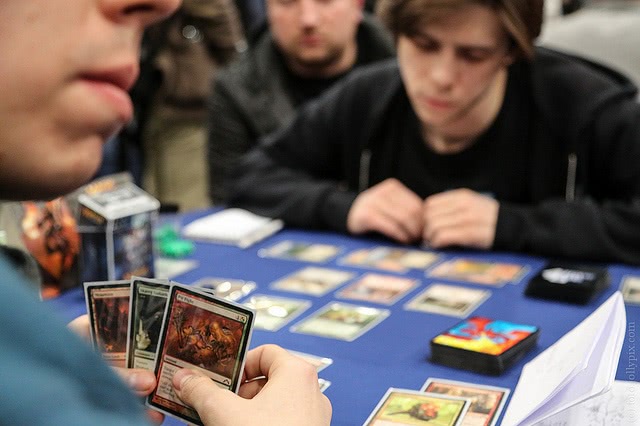
There comes a point when lectures fall flat and worksheets just aren’t cutting it. If your students seem checked out, it might be time to swap routine for strategy—game strategy, that is. Believe it or not, games are still just as exciting for high schoolers as they are for elementary students. And when used with a purpose, they’re not just fun, but also highly effective.
Looking to re-engage your classroom? This guide explains why classroom games work, four types you can start implementing right now, and seven unique games you may not have tried before!
Why Games Work—Even in High School
From physical games and board games to online games, there are plenty of ways to get students engaged in learning. By this point in their education, most students expect lectures, note-taking, and textbook work. What don’t they expect? A game.
Games aren’t just fun, either—they are actually shown to improve learning outcomes, increase motivation, and build confidence. Whether you use them as a warm-up, brain break, cool down, or review, games can be a great mental break to help students participate more and re-engage with the learning content.

4 Types of Classroom Games That Work
Looking for games to play in your high school classroom? While the type of game will depend on your students and the subject you’re teaching, these four common types are sure to be a hit:
- Academic Games: Academic games like Jeopardy or Quizlet Live can turn a routine review into a class favorite. While students are still recalling facts, the competitive edge adds excitement and motivation. Make your own academic games or find ready-to-use versions on platforms like Teachers Pay Teachers.
- Digital Platforms: Want instant feedback on what is or isn’t landing with your students? Online sites like Kahoot, Gimkit, or Blooket allow you to quiz your students in real time. These sites include timers, points, and leaderboards, so it keeps the energy high and the pressure low.
- Physical Activities: Sometimes getting up and moving around is the best way to re-engage the brain. Activities like Four Corners can get students participating in the material, while also burning off some extra energy.
- Creative Thinking Games: Get your students thinking outside the box with games like Charades, Pictionary, or escape rooms. You can use vocabulary terms, historical events, or even literary characters. Find ways to get students practicing their problem-solving and communication skills in a creative way.
7 Classroom Games To Play
To shake up your classroom routine, try incorporating some of these unique games with your high school students:
1. Wordle
Created by the New York Times, this puzzle game is a great warm-up for students when they first get to class. You can play as a class to get the day started, or you can even create your own Wordles using vocabulary terms.
2. Typhoon Game
This game is perfect for review days! Here’s what you’ll need to do: Start by creating a 5×5 grid with letters A-E on the top and numbers 1-5 along the side. In each box, place one of the following:
- ❓ Question Mark
- 💣 Bomb
- 🌪 Typhoon
- ☠️ Poison
- ➕ Red Cross
Students will see the squares, but not the icons. Students will be divided into teams and then take turns picking squares on the grid:
If they find a question mark: They will get a shot at answering a question for one point.
If they find a bomb: The team loses one point.
If they find a typhoon: The team loses all of their points.
If they find poison: They can “eliminate” a player from another team.
If they find a red cross: They can bring a “dead” teammate back.
3. Kahoot
Another great, and simple, review game, Kahoot is the ultimate interactive quiz game because it combines fast-paced competition with instant feedback. Whether it’s math, science, history, or English, there is a Kahoot for almost every grade and every standard. Students will need a device (phone or laptop), and they will wait for the question to be revealed. Each question has a certain time limit, and the faster they answer correctly, the more points they get. This can be used as a quick warm-up or review before a test.
4. Bingo (With a Twist)
Your students have probably played Bingo before, but try adding an academic twist to it. For math, create boards with answers already on them, then call out the problems. Students will then solve and mark the correct solution on their boards. If you are teaching vocabulary terms, call out definitions and have students mark the matching word. This is a great way to reinforce concepts while keeping things engaging.
5. Escape Rooms
You can find digital escape rooms for almost any subject on platforms like Teachers Pay Teachers, or you can put together your own to make your lesson more interactive. Either way, this is a great activity to get your students working together to solve problems and use their critical thinking skills, all while reviewing content.
6. Hot Seat
This can be a quick way to get class started on a positive note. Have one student facing the class, while a vocabulary word, literary figure, historical event, or math term is written on the board behind them. The rest of the class will need to give clues while the student tries to guess. Set a timer for five minutes or give the student a certain number of guesses.
7. Speed Debates
Looking for a way to improve your students’ public speaking skills while reinforcing content? Try speed debates. Here’s how it works: set a timer for 30-60 seconds and present students with a question or prompt that ties back to what you’re teaching. This game is low-prep and can be done as a warm-up or a brain break to re-engage the class.
Making Sure Fun Meets the Standards
It’s all fun and games…until the learning objective gets lost. When choosing games for your classroom, make sure they support the content, rather than taking away from the standards you are trying to teach. Before introducing a game, ask yourself: What skill or concept do I want students to walk away with? Let this guide your decisions to ensure the material sticks.
Tips for Smooth Game Implementation
To ensure all students are included and behavior is managed effectively, follow these tips:
- Set clear rules and expectations immediately so students understand exactly how to participate—and what behavior will not be tolerated.
- Keep it time-bound to keep the energy high among students.
- Always debrief after the game to connect back to what the students are supposed to be learning.
- Rotate the games you play so that every learner gets a chance to participate in one that works for them (not to mention, it keeps things fresh!).
Let the Games Begin
When used correctly, games can be a refreshing mental break for students, while also reinforcing concepts (oftentimes without them even knowing). The games you choose may vary depending on the needs of your students, the subject you’re teaching, and your learning goals, so find what works for your classroom. Remember to keep it lighthearted and fun, but also intentional. When you do that, everyone wins!
Games are fun, and so is finding your perfect college match. Introduce your students to College Raptor’s free College Match tool that matches them to colleges that fit their goals.