Key takeaways
- A Master of Public Health is a graduate degree that allows students to specialize in public health issues, including how to address and prevent them.
- Earning an MPH typically takes 18-24 months to complete, with 42-80 credit hours required.
- Those with an MPH may work as an epidemiologist, health policy analyst, biostatistician, health educator, or global health consultant.
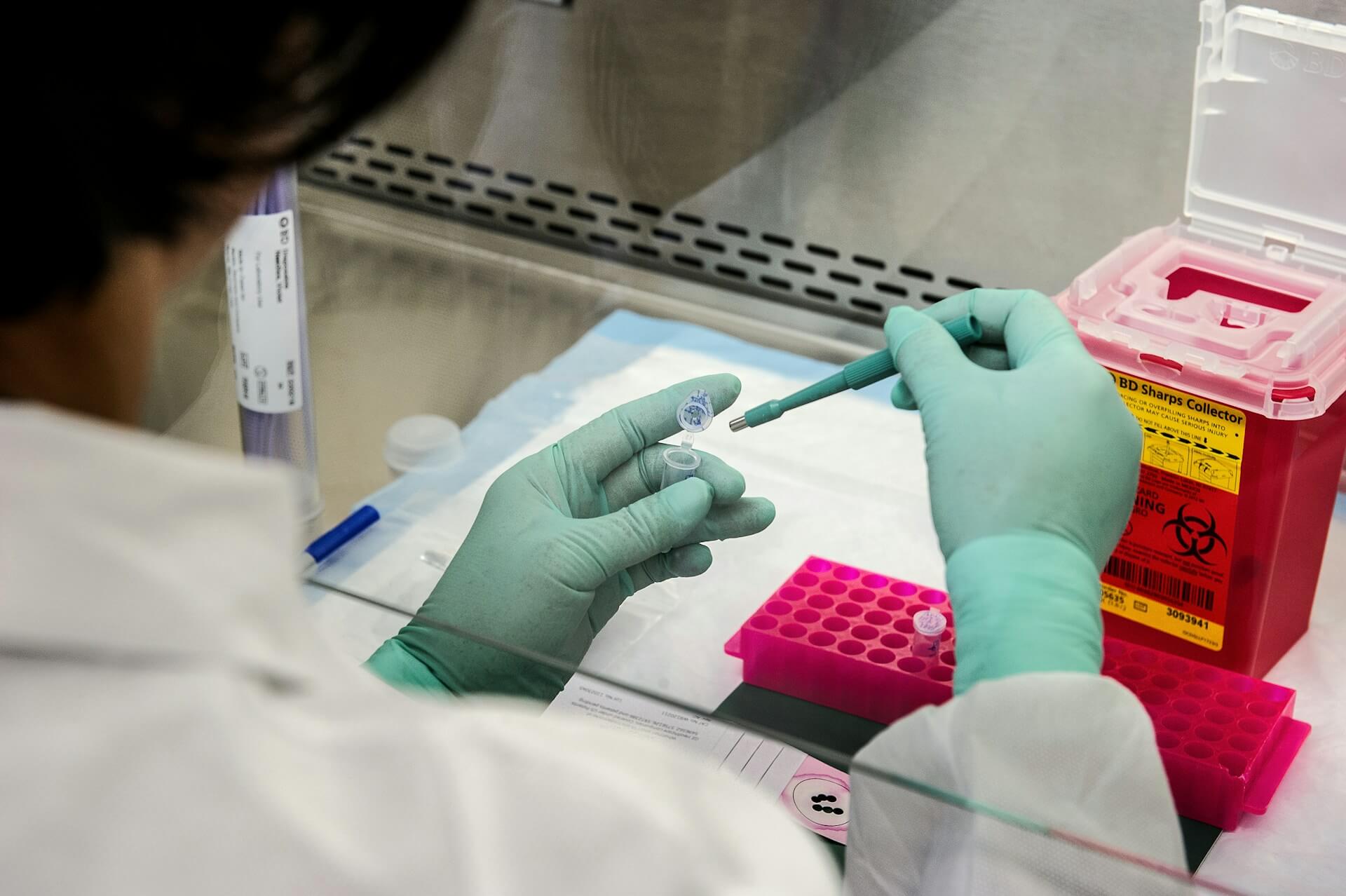 A Master of Public Health (MPH) is a graduate program that teaches students how to address public health challenges and prevent diseases through research and practice. With global health challenges like pandemics and chronic diseases continuing to grow, public health is more important than ever. Because they have the skills needed to address these issues, those with a Master of Public Health are highly sought out by healthcare systems, government agencies, and global health institutions.
Is a Master of Public Health program for you? Below, we will break down everything you need to know about this degree, including what the program is like, areas of study, benefits, and more.
What is a Master of Public Health program?
A Master of Public Health program focuses on teaching students how to improve health at the local, national, and global levels. With an MPH, students may work as an epidemiologist, health policy analyst, biostatistician, health educator, or global health consultant. There are several MPH programs accredited by the Council on Education for Public Health to choose from. During any of these programs, students will gain the skills and knowledge for how to:
- Prevent diseases
- Analyze health trends
- Create health policies
- Respond to major health crises
- Research health behaviors
- Evaluate public health programs
Note: An MPH is not a clinical degree, meaning it won’t make you a doctor or nurse. However, it does complement clinical training, and therefore many physicians and nurses choose to pursue it.

Master of Public Health core disciplines
There are five core public health disciplines that MPH programs will cover. These are foundational areas that students need to know, regardless of their concentration:
- Biostatistics: Learning to collect, analyze, and interpret data to better understand health problems
- Environmental health sciences: Study how the environment affects health
- Epidemiology: Learn how diseases spread
- Health policy and management: Understand how healthcare systems work, including their laws, insurance policies, and how they’re financed
- Social and behavioral sciences: Studying the psychological factors that influence health decisions to design effective interventions
MPH concentrations and specializations
MPH graduates work in diverse fields. Common concentrations and specializations include:
Epidemiology
Learning how to prevent and control disease outbreaks.
Instruction includes: Biochemistry, molecular biology, immunology, disease and injury determinants, genetic disease and disability factors, behavioral studies, health services research, environmental disease and injury factors, population studies
Biostatistics
Using math and statistics to understand health data.
Instruction includes: Mathematical statistics, modeling, clinical trials methodology, disease and survival analysis, missing data analysis, spatial analysis
Global Health
Learning to address health issues at the global level.
Instruction includes: International health systems, infectious and chronic diseases, global health policy, cultural and social determinants of health, health equity
Environmental Health
Analyzing how environmental factors like air quality, food safety, waste management, and water quality affect human health.
Instruction includes: Toxicology, public policy analysis, public management, risk assessment, communications, environmental law, occupational health and safety emergency response
Health Policy and Management
Analyzing public policy issues related to health care systems.
Instruction includes: Contemporary health issues and policies, politics and economics of health care delivery, public health, comparative and global health, medical law and ethics
Community Health
Learning how to promote health and prevent disease within communities through organized programs and services.
Instruction includes: Public health, community health services and delivery, health behavior and cultural factors, local government operations, human services, health communication, health services administration, environmental health, preventive and comparative medicine
Maternal and Child Health
Focusing on how to improve the health of women, children, and families through public health programs.
Instruction includes: Public policy analysis, economics of health care, community health, family development, women’s studies, social psychology, fetal and child development, health education, nutrition, neonatal development, social services delivery
Social and Behavioral Sciences
Studying how the choices and behaviors of people influence health outcomes.
Instruction includes: Psychology, behavior change, mental health, health communication, social sciences, biomedical sciences
How long does it take to complete a Master of Public Health degree?
On average, earning a Master of Public Health degree takes 18 to 24 months. Students typically need to take 42-80 credit hours to graduate.
Benefits of pursuing an MPH
Is a Master of Public Health degree the right fit for you? Consider the benefits of earning this graduate degree and maximizing your MPH experience:
- Interdisciplinary studies: You’ll study different subjects to better understand health problems from different angles.
- Career advancement: You could open doors to a variety of roles in government, nonprofit, global health, or education.
- Increased demand: By developing a diverse skill set, you’ll be more in demand for employers across a wide range of careers.
- Making a positive impact: The work you do in public health can be meaningful to communities, nations, and even the world.
- Higher earnings: Roles offer competitive salaries for having an MPH compared to entry-level positions.
- Professional networking: Programs provide opportunities to build relationships with professors and peers, and even meet other professionals in the industry.
- Involvement in public health initiatives: Experience making a difference by participating in internships or community programs that focus on improving public health.
Career opportunities with a Master of Public Health
According to the Bureau of Labor Statistics (BLS), public health is estimated to be one of the fastest-growing occupational groups from 2024 to 2034. Those with an MPH may work at government agencies, healthcare institutions, hospitals, health organizations, or colleges. More specific roles include:
Biostatisticians
- Median salary: $103,300
- Job growth 2024-2034: 8.5%
- Annual job openings: 2,000
Community Health Workers
- Median salary: $51,000
- Job growth 2024-2034: 11.3%
- Annual job openings: 7,800
Epidemiologists
- Median salary: $83,000
- Job growth 2024-2034: 16.2%
- Annual job openings: 800
Health Specialties Teachers, Postsecondary
- Median salary: $105,000
- Job growth 2024-2034: 17.3%
- Annual job openings: 27,400
Medical and Health Services Managers
- Median salary: $117,000
- Job growth 2024-2034: 23.2%
- Annual job openings: 62,100
Choosing the right Master of Public Health program
With so many MPH programs to choose from, it can be overwhelming figuring out which one is for you. Here are some key factors to consider when researching:
- Accreditation: Ensuring you choose an accredited program means you are choosing one that is high quality, improves your chances for job opportunities, and may even qualify you for certain financial aid.
- Faculty expertise: Some institutions allow you to learn from leading experts in public health.
- Internship opportunities: Research what opportunities you will have to apply what you’ve learned in a real-world setting.
- Alignment: Most importantly, make sure the program you are looking at aligns with your career goals.
Is an MPH right for you?
If you are interested in health at the systems level and want to work to prevent diseases, then a Master of Public Health degree might be a great fit for you. Ultimately, choosing the right program will depend on your personal and career goals. When you find a program that checks all your boxes, you can feel confident that’s the one for you.
Do you know your career goals? To find out if a Master of Public Health could be for you, use College Raptor’s Career Finder to explore specific careers and the education level and skills required for each.