Key Takeaways
- Most students take a pre-vet or related major to meet vet school requirements.
- Strong undergraduate majors include Veterinary Science, Biology, General Science, and Zoology.
- Expect coursework in biology, chemistry, physics, math, and animal science.
- Having hands-on experience with animals can help your application.
- Apply to multiple schools and check all prerequisites before applying.
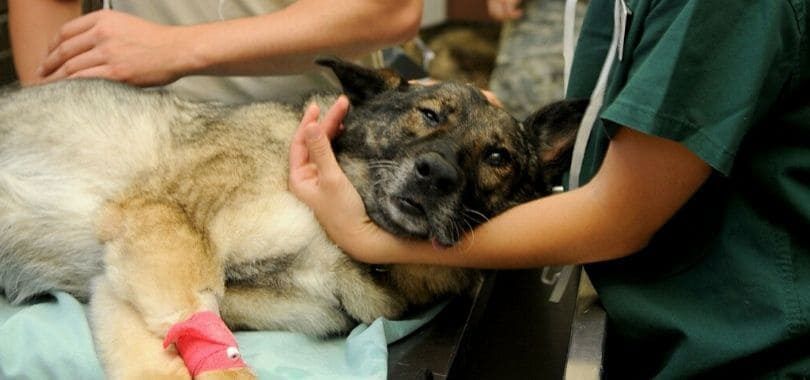
Do you want to work with animals and help them stay healthy? Becoming a veterinarian could be the perfect career path for you. Because vet school is so competitive, choosing the right undergraduate major can make a big difference. The right major helps you complete required courses, gain hands-on experience, and build a strong application.
But which major is right for you? Check out these undergraduate options to help you decide.
Undergraduate Majors for Veterinarians
Picking the right major can help set you up for success. Here are some of the best starting points for future veterinarians.

1. Veterinary Science
Veterinary Science is designed specifically for future veterinarians. Some schools may call it Veterinary and Biomedical Sciences. It covers most required courses and often includes hands-on lab work. Not all colleges offer this major, and some programs require a certain GPA. Speak with your academic advisor to see what’s available.
Typical courses include:
- Organic Chemistry
- Biochemistry
- General Biology
- Physics
- Calculus
- Animal Science
- Nutrition
- Genetics
- Lab Courses
These classes can give you a strong foundation and practical skills for vet school.
2. Biology
Biology is a popular choice for students who want to go to vet school. This major focuses on life sciences, but you’ll also learn other science-related subjects. Requirements vary by school, so make sure your program includes all vet school prerequisites.
Typical courses include:
- Biology
- Microbiology
- Chemistry
- Physics
- Calculus
- Lab Courses
These classes can prepare you for vet school with a background in science and lab experience.
3. General Science
General Science majors are flexible. You can combine different science courses to meet vet school prerequisites. Planning carefully is important to ensure you cover all your requirements.
Typical courses include:
- Biology
- Chemistry
- Physics
- Earth Sciences
- Calculus
- Lab Courses
This major allows you to explore different areas in science while meeting vet school pre-requisites.
4. Zoology or Zoological Medicine
Zoology is ideal for students interested in zoo, wildlife, or animal behavior careers. It’s also useful for students planning to work with domestic animals.
Typical courses include:
- Biology
- Chemistry
- Physics
- Calculus
- Statistics
- Animal Biology
- Ecology
- Anatomy
- Animal Behavior
- Evolution
- Lab Courses
These courses provide a deep understanding of animals and their biology. That makes this major a great option for veterinary students.
Prerequisites for Vet School
Vet schools require certain classes, no matter what your major is. You don’t always need a specific undergraduate major, but you must complete these prerequisites:
- Biology and Chemistry (including organic chemistry and biochemistry)
- Mathematics
- Physics (required by most programs)
- English
Genetics and microbiology are not always required, but many students find these classes helpful. Want an easy way to keep track of what you need to take? Check out this prerequisite chart from the American Association of Veterinary Medical Colleges (AAVMC). The AAVMC also has other helpful resources and tips on applying to vet school.
Tips for Getting Into Vet School
Getting into vet school takes more than good grades. These tips can help you strengthen your application and boost your chances of acceptance.
1. Build Your Resume
Your application can stand out if you can strengthen your resume with volunteer work. Try shelters, veterinary clinics, or animal hospitals. Real experience shows schools you are committed. The more hands-on experience you gain, the better prepared you can be for vet school.
2. Double-Check Prerequisites
Make sure your major includes all the required courses for your target schools. Use the AAVMC prerequisite chart to plan your classes. Meeting all of the prerequisites early can help keep you on track for admission.
3. Network With Other Vet Students
Talk to students who are already in vet school. They can give advice, review your application, and connect you with vets or clinics. Building relationships now can open doors to mentorships and opportunities later.
4. Get Recommendation Letters Early
Strong letters of recommendation can help your application stand out. Ask professors, supervisors, or vets early. This gives them time to write thoughtful letters that may help you get into vet school. Early planning ensures you get letters from people who know you and your work best.
5. Apply to Multiple Schools
Vet school is competitive. Applying to at least three programs can increase your chances of getting in. Plus, you can compare financial aid offers. Applying broadly may also give you more options to find the right program for your goals.
Plan Your Path to Vet School
The choices you make now can shape your future as a veterinarian. Choosing a major that gives you the courses and skills you need is a very important step. Check out our FREE College Match tool to explore schools and find the best fit for you. You can also explore scholarship opportunities for veterinary students with our FREE Scholarship Search tool.
As a veterinarian, you can have the chance to make a real difference in the lives of animals. Take charge of your journey and build the career you’ve always dreamed of.