College Raptor Staff

Does class size matter?
student life

What are elective classes and why do they matter?

Key takeaways Elective classes are optional courses that let you explore personal interests beyond the core curriculum. The best electives help you gain foundational skills in specific areas, like financial literacy, coding, or graphic design. Electives provide a mental break from required courses, which may improve academic success. Knowing how many electives to take is …
summer college campus visits
college admissions

What is a prospective student?

Key takeaways A prospective student is an individual considering or planning to attend a college or university. Prospective students can be high school seniors, transfer students, adults going back to school, and international students. A prospective student can make the most of the college search process by researching, visiting campuses, and exploring financial aid opportunities. …

Karen’s Story: Navigating the Application Process with a Village

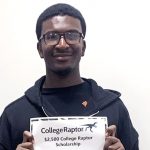
College Raptor Scholarship winner Karen knows firsthand that applying to college is a team effort. She shared that she received support from both her parents and her school guidance counselor throughout the process.  “As a family, we went through the different options I would have in the future,” Karen explained. “We specifically discussed what schools …
Here are some biomedical science scholarships
majors & industries

What is a Master of Science?

Key takeaways A Master of Science (MS or MSc) is an advanced program that focuses on science, technology, engineering, or mathematics, and sometimes social economics. Earning an MS degree typically takes about 2 years to complete if studying full time, with 30-60 credit hours required depending on the program. Generally, those who earn an MS …
2 plus 2 college programs
college comparisons

How many credit hours do you need for an associate degree?

Key takeaways Most associate degree programs require 60 credit hours, and most students earn it in two years or less.  To earn an associate degree, you’ll need to take general education classes and courses specific to your major.  When you earn an associate degree, you can get a job or transfer your credits and pursue a bachelor’s degree.  Each college, university, and program has different requirements …

Subscribe to Our Newsletter

Join thousands of students and parents learning about finding the right college, admissions secrets, scholarships, financial aid, and more.