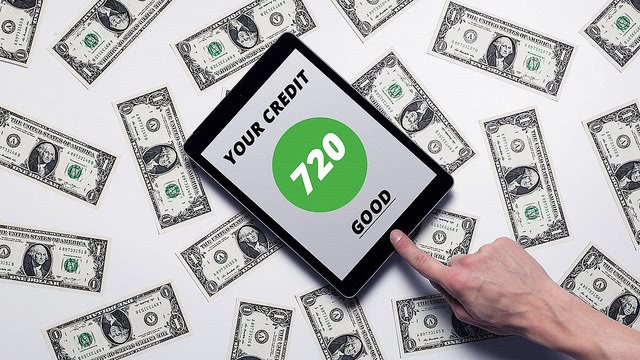
Key Takeaway: A good credit score can help build a solid financial foundation that will open many doors after graduation. Spending responsibly and paying debts on time, every time are the two most important things you can do to improve your credit score.
 College students find themselves juggling classes, homework, assignments, regular tests, and other activities. With so much already on their plate, credit scores are likely the last think on any college student’s mind. But, building credit is essential to laying a solid financial foundation. A strong credit score can help you qualify for lines of credit and secure better rates on loans and mortgages. It can also make it easier to rent an apartment or lease a car.
Let’s explore what you can do to build credit in college and better understand the importance of a strong credit score.
Why Building Your Credit Score in College Matters
Your credit score reflects your behavior as a borrower. A strong score tells lenders that you are a responsible borrower and are more likely to repay the money you borrowed on time. A poor credit score indicates otherwise. This can impact your ability to get approved for loans, rent an apartment, and even secure a job in some industries.
A strong credit history can also help you qualify for lower interest rates on future loans, saving you money in the long run. Establishing good credit habits in college will set you up for greater financial stability and more opportunities after graduation.
9 Ways to Boost Credit Score In College
1. Get a Student Credit Card
Getting a credit card and using it smartly is the best way to establish credit. Student credit cards are designed for young adults with little or no credit history. Every card issuer sets their own eligibility requirements, terms and conditions. When choosing a student credit card, consider one with low interest rates and no annual fees. Bonus points if the card offers rewards or cashback on regular purchases such as groceries or gas.
Using your credit card responsibly is key to boosting your credit score. Make sure to pay all bills in full by the due date, avoid maxing your limit, and treat your card as a tool for building credit rather than extra spending money.
Be mindful that applying for too many cards at once can hurt your credit score, so start with just one and use it wisely.
2. Get a Secured Credit Card
If you don’t qualify for a student credit card, a secured credit card could be a great alternative. A secured card requires you to deposit money into a bank account. The bank then issues you a credit card and the money in your account acts as your credit limit. This credit limit restarts after you’ve paid your bill in full.
As with any other type of credit card, you have to use your secured card responsibly and make on-time payments to boost your credit score.
3. Make On-Time Payments
One of the most important factors affecting your credit score is your payment history. Consistent on-time payments in full will add points to your score while every late payment will pull your score down by a few points. Keep in mind, while paying the minimum due will help you avoid late fees, it may impact your credit score negatively.
If you struggle to remember due dates, take time to set up payment reminders on your phone or through your bank’s app. Another option is to set up automatic payments. This can help ensure you never miss a due date. Even one late payment can hurt your score, so making timely payments every month should be your topmost priority.
4. Keep Credit Utilization Low
Credit utilization refers to the percentage of your available credit that you’re using. Aim to use less than 30% of your credit limit. For example, if you have a $1,000 credit limit, try to keep your balance below $300 to improve your credit score. If you frequently spend more than this, consider making multiple payments throughout the month to keep your balance low.
High credit utilization can make you look like a risk to lenders and may lower your credit score, even if you pay your balance in full each month.
5. Become an Authorized User
A parent or any family member can request their card issuer to add you as an authorized user. This allows you to benefit from their credit history, which can help boost your own score over time. As your goal is to build credit, it’s important that the primary account holder has a history of on-time payments and low credit utilization. If not, you will inherit their bad credit history.
As an authorized user you don’t necessarily have to use the card yourself. It just means their positive credit behavior will reflect on your credit report.
6. Open a Credit Builder Loan
Worried about over-spending with a credit card? Consider getting a credit builder loan.
Many banks and credit unions offer credit builder loans, which are designed specifically to help individuals establish credit. These small loans require you to make fixed payments over time, and your responsible payment history is reported to credit bureaus. Unlike traditional loans, the money is held in a savings account until the loan is paid off, at which point you receive the funds. This helps you build a history of making on-time payments without the risk of overspending on a credit card.
7. Monitor Your Credit Report
Regularly checking your credit report helps you catch errors or signs of identity theft early. You can access a free credit report annually from each of the three major credit bureaus (Equifax, Experian, and TransUnion) at AnnualCreditReport.com.
Make it a habit to review your credit report at least once a year to ensure all the information is accurate. If you spot any incorrect entries or discrepancies, file a dispute immediately.
Some credit card companies and banks also provide free credit score monitoring, which can help you keep track of your progress.
8. Limit Hard Inquiries
Every time you apply for a new credit card or loan, it triggers a hard inquiry on your credit report, which can temporarily lower your score by a few points. Avoid applying for multiple credit cards within a short period to prevent unnecessary dings on your score. Hard inquiries stay on your credit report for up to two years, so only apply for credit when necessary.
If you need to shop for a loan, such as a car loan, plan it so you make multiple inquiries within a short window. Inquiries made within a short period are usually counted as one inquiry, which reduces the impact on your score.
9. Keep Old Accounts Open
The length of your credit history is another factor that affects your credit score. Keeping older accounts open helps increase the length of your credit history, which can be beneficial. Closing a credit card can shorten your credit history and increase your credit utilization ratio if you have outstanding balances on other cards.
If you have a credit card with no annual fee, consider keeping it open even if you don’t use it frequently. Making a small purchase every few months will keep it active and prevent the issuer from closing it due to inactivity.
Building credit in college requires responsible financial habits. This includes using credit wisely, making timely payments, and keeping credit utilization low. In addition to improving your credit score, developing these habits early will set you up for financial success long after you graduate.
Frequently Asked Questions (FAQ)
Can I build credit without a credit card?
Yes, you can build credit by paying student loans, rent, utility bills, or using credit builder loans. Some services also report rent and phone payments to credit bureaus, helping you establish credit without a traditional credit card.
Will checking my credit score hurt my credit?
No, checking your own credit score is considered a soft inquiry and does not affect your score. However, applying for new credit triggers a hard inquiry, which can temporarily lower your score.
How long does it take to build a good credit score?
It can take several months to a year of responsible credit use to build a decent score. Achieving an excellent score can take several years of consistent on-time payments and responsible credit management.
What is the fastest way to build credit in college?
The fastest way to establish credit in college is to get a credit card, make on-time payments, and keep utilization low. Becoming an authorized user or taking out a credit builder loan can also help.
What happens if I miss a payment?
Missing a payment can hurt your credit score and lead to late fees. If you miss a due date, pay as soon as possible. Some lenders offer grace periods, so check with your card issuer.
Looking for more information on financing your college education? You’ll find lots of useful articles and virtual tools on the College Raptor website.