Key Takeaways
- A D1 athlete is a highly skilled college athlete playing at the most competitive NCAA level.
- D1 athletes must balance intense schedules, academic performance, and high expectations.
- D1, D2, and D3 differ in terms of athletic budgets, scholarship availability, and time commitment.
- Athletic scholarships are available at D1 and D2, but many are not full rides.
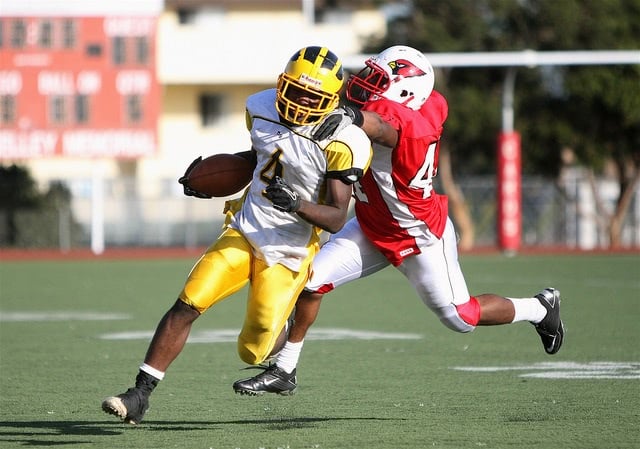
So, you’re getting scouted—or maybe just dreaming of it. Either way, becoming a Division 1 (D1) athlete is a big deal. You’re probably asking yourself: What is a D1 athlete really signing up for? From early morning workouts to the possibility of a full-ride scholarship, here’s what you need to know before saying yes to that offer letter.
Flickr user Steve Allen
What Do D1, D2, and D3 Mean?
When people talk about playing college sports, they often refer to Division 1, 2, or 3 schools. These divisions are part of the National Collegiate Athletic Association (NCAA) and help organize schools based on athletic budgets, scholarship offerings, and competitiveness.
Here’s a quick breakdown:

D1 (DIVISION 1)
The most competitive level. Think March Madness, ESPN coverage, and stadiums packed with fans. These schools have big athletic budgets, the most athletic scholarships, and demanding schedules.
Example Schools: University of Alabama, UCLA, University of Florida
D2 (DIVISION 2)
Still competitive—but with more balance between academics and athletics. D2 schools offer athletic scholarships, but not always full rides.
Example Schools: Bentley University, Colorado School of Mines, West Texas A&M University
D3 (DIVISION 3)
These schools are focused on the student part of student-athlete. D3 schools don’t offer athletic scholarships, but students can still play the sport they love at a high level.
Example Schools: Williams College, New York University, Emory University
D1 vs. D2 vs. D3 Comparison
Not sure how Division 1 stacks up against D2 or D3? Here’s a quick breakdown of what each level offers.
| Category | D1 (Division 1) | D2 (Division 2) | D3 (Division 3) |
|---|---|---|---|
| What is it? | The highest level of college athletics with intense competition and national exposure | Competitive athletics with more academic-athletic balance | Academics-first with athletics as a complement to student life |
| Athletic Budget | Largest athletic budgets and most resources | Moderate athletic budgets | Lowest athletic budgets; limited resources for sports |
| Scholarships | Full and partial athletic scholarships available | Primarily partial athletic scholarships | No athletic scholarships (but academic and need-based aid available) |
| Time Commitment | Year-round training, travel, and competition—like a full-time job | Balanced schedule with seasonal training and practice | Less intense time commitment; more focus on academics and campus life |
| Recruiting | National recruiting; offers can come as early as sophomore or junior year | Regional recruiting; timelines vary by sport | More informal recruiting; often happens later in high school |
| Pros | High visibility. Elite coaching. Potential for pro careers. Scholarship options. | Good athletic-academic balance. Scholarship opportunities. Competitive play. | Strong academic focus. Well-rounded college experience. Less pressure. |
| Cons | Intense pressure. Limited free time. Risk of burnout. Highly competitive. | Less exposure than D1. Fewer full scholarships. Still demanding. | No athletic scholarships. Lower athletic prestige. Smaller crowds and facilities. |
While D1 programs are the most competitive, D2 and D3 schools offer strong academics, tight-knit communities, and athletic opportunities that might be a better fit depending on your goals, both on and off the field.
What To Expect as a D1 Athlete
Now that you understand what a D1 athlete is, let’s talk about what it’s like. Playing D1 means committing to your sport like it’s a full-time job—because, honestly, it kind of is.
1. Intense Practice Schedules
D1 athletes often wake up before the sun for workouts, strength training, film reviews, and on-field drills. Expect early mornings, late nights, and minimal off-days—plus travel time during the season.
Practice usually involves:
- Strength and conditioning
- Team meetings
- Specific diet plans
- Review of game films
- On-field practice
- Health and safety reviews
- Physical training
2. Academic Requirements
Being a D1 athlete doesn’t mean skipping class. To stay eligible, you must meet GPA and credit benchmarks every year. The NCAA requires at least a 2.3 GPA in high school to compete, and you’ll need to keep up that momentum in college, too.
3. Summer Commitments
You might have to take summer classes or attend training camps—even when your friends are lounging by the pool. This is especially true for football and basketball athletes.
4. Code of Conduct
Whether on the field or online, athletes are expected to represent their schools professionally. Violations can mean suspension or removal from the team.
Students can get kicked off the team for:
- Underage drinking
- Drug use
- Inappropriate behavior on or off the field
- Poor grades
- Skipping practice
- DUIs
- Public intoxication
In short, being a D1 athlete means holding yourself to high standards—physically, mentally, and socially. It’s a demanding lifestyle, but for those who thrive under pressure and love their sport, it can be incredibly rewarding.
Tips for Success as a D1 Athlete
Knowing what’s expected is one thing, but thriving as a D1 athlete means developing smart habits and strategies. Here are some tips to help you succeed on and off the field:
- Prioritize time with a clear schedule. Balancing classes, practices, and personal time requires strong organization.
- Maintain open communication with coaches and professors to stay on track.
- Focus on recovery and mental health. Stress management can help you perform your best.
- Stay adaptable and open to feedback. Coaches can provide valuable insights to improve your athletic skills.
- Build a strong support system. Surround yourself with teammates, friends, and family who encourage your growth.
By building these habits early, you can prepare to handle the challenges of D1 athletics.
Recruiting: How Do You Get Scouted for D1?
Recruiting for D1 programs starts early. Some athletes commit before junior year even begins! Coaches look for:
- Elite performance (usually at the national or state level)
- Strong academics (GPA + standardized test scores)
- Positive attitude and leadership
- Highlight reels or footage that shows your skills
Want to be noticed? Attend showcases, tournaments, or camps—and don’t be afraid to reach out to coaches directly.
Financial Aid and Scholarships
Yes, D1 schools offer athletic scholarships, but not all athletes receive full rides. In fact:
- Full scholarships are most common in headcount sports like football (Football Bowl Division) and basketball.
- Partial scholarships are more common in equivalency sports like track, baseball, and volleyball.
Even if you don’t get an athletic scholarship, you may still qualify for academic, need-based, or merit awards.
Ready To Go D1 or Find Your Best Fit?
If you’re dreaming of playing at the D1 level, go for it! Just know it takes serious dedication, time management, and love for your sport. But D1 isn’t the only path to success.
D2 and D3 programs also offer amazing opportunities, often with more flexibility, smaller class sizes, and a better school-life balance. What matters most is finding the right fit for you.
Not sure where to start? Try College Raptor’s FREE Scholarship Search tool to explore schools, compare athletic programs, and uncover scholarships you might not know exist. Start your search today and build your best college game plan.