Key takeaways
- Transferable skills are talents you learn in one place, like school or a first job, that you can use in a new role or industry.
- Technical skills can be taught on the job, but employers like to hire people who already know how to solve problems and work well with others.
- If you are changing careers or applying for your first job, these skills help prove you are ready to work right away.
- Technology and artificial intelligence change fast, but human skills like adaptability and communication are still in high demand.

Figuring out future career paths can feel overwhelming, especially if your resume lacks direct experience in the role you want. You might look at your first job, past volunteer work, or school projects and think, “How is any of this going to help me land a new job?” The secret lies in identifying your transferable skills.
Transferable skills are the abilities and strengths you can carry from one job, industry, or experience to another. They are crucial because they make you more employable and help you stay adaptable as job roles change.
What is the difference between hard skills and soft skills?
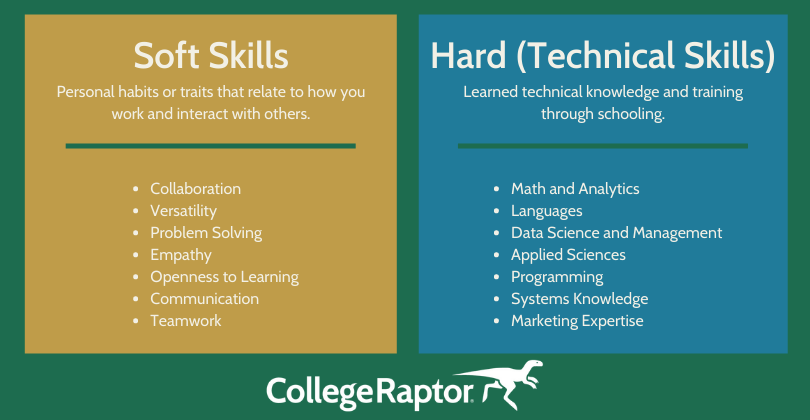
To understand transferable skills, it helps to know the difference between hard and soft skills.
- Hard skills: Technical skills you learn through training or direct experience, like data entry or using software tools. They are often tied to a specific job title, such as a software developer who knows a particular programming language.
- Soft skills: Personal traits and interpersonal skills that shape how you interact with others. Examples are: emotional intelligence, creative thinking, and adaptability.
While hard skills are important, a competitive job market heavily favors candidates with strong soft and transferable skills. Why? Because technical skills can be taught, but a great work ethic and strong critical thinking skills are much harder to build from scratch. For career changers, these skills allow you to tell a compelling career story that connects your past experiences to your future career aspirations. Is there a direct correlation between these skills and success? Generally, yes, because they prove your long-term potential to hiring managers.

10 valuable transferable skills examples
When going through job descriptions, you will notice that certain transferable skills show up often. Here are ten valuable transferable skills employers like to see that can drive your professional development and career advancement.
1. Effective communication
Strong written and verbal communication skills help you share ideas clearly, improve team dynamics, and build a peaceful work environment.
2. Problem-solving
Employers value people who use critical thinking to analyze tough situations and find creative solutions on their own.
3. Time management
Managing your daily tasks well means knowing how to prioritize projects so you can hit deadlines without burning out.
4. Leadership
True leadership is about taking initiative, guiding a project to success, and inspiring your teammates to do their best work.
5. Collaboration and teamwork
Strong interpersonal skills help you work smoothly with others, solve disagreements, and reach team goals much faster.
6. Adaptability
Being adaptable means you are ready to learn new software tools and handle sudden workplace changes without losing your footing.
7. Research and planning
Having good research and planning skills helps you gather important data, spot trends, and build a clear roadmap for a project.
8. Analytical thinking
Analytical thinking allows you to study a complicated situation, break down the facts, and see the bigger picture.
9. Strong organization
Good organization helps your career development because it allows you to track project milestones and handle heavier workloads.
10. Digital literacy
Knowing how to use basic digital platforms and pick up new technology quickly gives you a huge edge in today’s job market.
What transferable skills examples look like in action
| Existing skill | Old work environment (retail/food service) | Next role (project management/office) |
| Communication | De-escalating an upset customer on the retail floor. | Presenting a project update clearly to stakeholders. |
| Time management | Balancing side tasks while managing peak rush hours. | Meeting strict deadlines for client deliverables. |
| Project coordination | Planning the weekly inventory schedule for the store. | Serving as a junior project manager to track team tasks. |
How to identify and develop your skills
If you feel like you don’t have many skills to write down yet, look closer at your life experiences. You can easily recognize and build your employability skills through various work experiences, education, and by stepping outside your comfort zone.
- Take on new challenges: Say yes to leading a group project at school or organizing an event for a club.
- Pursue lifelong learning: Sign up for online courses or local training programs to turn your hidden talents into formal skills.
- Do volunteer work: Non-profit work and personal projects are fantastic places to practice leadership and organization.
- Seek out mentors: Ask teachers, past bosses, or professional mentors for constructive feedback on your strengths and areas to improve.
How to highlight transferable skills examples in your job search
It can be hard to switch industries if you do not explain your talents clearly. Here are some suggestions (with examples!) for how to strategically add them to your resume and job applications.
Resume: Do not just list generic buzzwords. Match your specific transferable skills directly to the keywords used in the job description.
- Don’t write: Strong communication, leadership, and teamwork skills
- Do write: Led a team of five volunteers to coordinate weekly events, demonstrating project management and team leadership skills—experience that aligns with the job’s requirement for cross-functional collaboration and stakeholder communication.
Cover letter: Instead of just naming a skill, share an example of how you used it to solve a problem in a past role.
- Don’t write: I have strong problem-solving and leadership skills.
- Do write: When our department faced a backlog of customer requests, I organized a new tracking system and coordinated team responsibilities, reducing response times by 30% within two months. This experience strengthened my problem-solving and leadership abilities.
Job interviews: When answering questions about challenges, lean on your strengths. Prove you have the thinking skills and drive to succeed, even without traditional experience.
- Don’t say: I haven’t worked in this industry before, but I’m a hard worker and learn quickly.
- Do say: While I haven’t worked in this industry directly, I have experience learning new systems quickly. In my previous role, I was asked to train on a new software platform and then help onboard other team members. Within a month, I became the team’s go-to resource, which demonstrates my ability to adapt and learn in unfamiliar environments.
Your career safety net
Investing in your professional skills is a smart move for your future. The job market changes often, but employers need human beings who can communicate effectively, solve problems creatively, and adapt on the fly.
By focusing on your transferable skills, you build a versatile foundation that helps personal and professional growth. These portable talents may support career success, no matter what professional path you choose to explore next.
Ready to find your perfect college match and start building your future? Explore College Raptor’s Best College Rankings, apply for scholarships, and find the perfect launchpad for your dream career!
Frequently asked questions
What is the difference between hard skills and transferable skills?
Hard skills are technical tasks you learn for a specific job, like typing or coding. Transferable skills are personal strengths, like managing your time or speaking clearly, that you can take with you to any job you ever have.
How do I find my transferable skills if I have never worked in an office?
Look at your everyday life experiences. Doing a group project at school teaches you teamwork. Working a fast-food shift teaches you time management. Helping with a neighborhood charity shows leadership and strong organization.
What makes it hard to switch to a new career or industry?
The biggest challenge is explaining your talents clearly so hiring managers understand how your past experiences apply to the new role. When a manager asks how you handle tough situations, tell a quick story about your past experiences. Use that story to prove you are a quick learner who can solve problems, even if you are brand new to the industry.