Key Takeaways
- Special education teachers create custom lesson plans for students with different needs.
- They work with families, general education teachers, and specialists. This helps their students grow.
- Special training and certifications can help teachers succeed.
- Creative teaching strategies like assistive technology can help students overcome challenges.
- These teachers make a lasting impact for students.
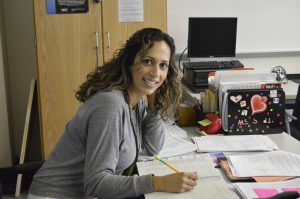
Pixabay user jsoto
Special education teachers have an important job in schools. They help students who learn in different ways. These teachers give each student the attention they need to succeed. They help make learning possible for every child.
Special education teachers also help students gain confidence. Students learn to do tasks on their own and feel proud of their accomplishments. Teachers guide students in making friends and working well with others. Their help often shapes a student’s future and opens new doors for them.
Let’s explore what it takes to become a special education teacher.
What Is a Special Education Teacher?
A special education teacher helps students who learn differently. Some students have learning differences, physical disabilities, or behavioral challenges.
Teachers make lesson plans that fit each student’s needs. They change how they teach to help every student understand and succeed.
Their goal is to help students do well in school and life. Special education teachers often work with speech therapists, occupational therapists, and counselors. Working with other experts can help students receive the extra help they need.

Why Special Education Teachers Matter
Special education teachers can make a big difference. Creating a lesson plan to meet the needs of each student can help them succeed. Special education teachers also work with general education teachers, therapists, and families. Working with these different people can help students thrive.
These teachers can help students reach their full potential and help students gain confidence and life skills. These lessons can help students both inside and outside the classroom.
Training and Qualifications
Special training is needed to become a special education teacher. Most teachers earn a bachelor’s degree in special education. This degree helps them learn about child development, learning differences, and teaching methods. Many programs include student teaching, which provides hands-on experience in real classrooms.
After graduation, teachers usually earn a state teaching license. Many go for a specialized certification. Options include Early Childhood Special Education or Secondary Special Education. These paths can help them focus on specific age groups or disabilities.
Some special education teachers continue their education with a master’s degree. This degree helps them study advanced teaching methods, behavior management, or assistive technology.
Examples of special education programs include:
- University of Florida — Offers hands-on training and research opportunities in special education.
- Vanderbilt University — Prepares teachers for inclusive classrooms and evidence-based instruction.
- University of Texas at Austin — Provides many certifications and advanced study options.
Types of Disabilities They Help With
Special education teachers work with students who have:
- Learning disabilities, like dyslexia or ADHD
- Physical disabilities, such as mobility or vision challenges
- Behavioral or emotional disorders
Each student is unique. Teachers should choose a varied approach to meet different needs.
Challenges in the Role
This job can be demanding. Teachers manage a wide range of needs and work closely with other professionals. It can be hard to balance personalizing lesson plans and teaching students. Patience, empathy, and creativity are important traits to have.
Teachers can also face emotional and physical challenges. They may need to help students who have more aggressive behavior, need to help lift/move children (from support devices), and deal with a wide array of big emotions.
Teaching Strategies
Special education teachers use a variety of approaches, including:
Personalized Instruction
Lessons should be modified for different learning styles. For example, a teacher might break tasks into smaller steps. This tip can help students who need help paying attention.
Assistive Technology
Technology can help make learning more engaging and manageable. Examples include text-to-speech software and adaptive keyboards.
Social Skills Training
Teachers can help their students learn how to make friends. Social skills can help them gain independence.
Visual Aids
Charts and pictures can help students understand and remember concepts. They also help make difficult ideas easier to understand.
Hands-on Learning
Activities like experiments can help students practice useful skills. This type of teaching helps students who learn by doing.
These teaching strategies can help students succeed inside and outside the classroom.
Types of Classrooms
Special education teachers may work in:
- Classrooms with general education teachers
- Resource rooms for small-group instruction
- Special schools for students with significant needs
Each setting offers different challenges and opportunities to make a difference.
Daily Responsibilities
The daily tasks of a special education teacher may include:
- Planning and delivering lessons
- Monitoring student progress
- Communicating with parents and caregivers
- Working with support staff and therapists
It’s a full schedule, but each task helps students grow.
Key Traits of Successful Teachers
Successful special education teachers share certain traits, including:
- Patience to guide students through challenges
- Ability to understand students’ needs
- Flexibility to adjust to lessons and strategies
- Having good communication with families and colleagues
- Being willing to keep learning and improving
These traits can make teachers good at their jobs. They can inspire students and help them be more successful.
Change Lives, One Student at a Time
Special education teachers don’t just teach—they change lives. They help students achieve goals that once seemed impossible. This can mean learning basic life skills or doing well in school.
Outside the classroom, they can build confidence in students. They can even help students make friends. Their guidance can shape a student’s future. Every small success can help each student succeed. Special education teachers can help make schools more inclusive. They do this by helping everyone in their classroom.
Take the Next Step Toward a Rewarding Career
Interested in becoming a teacher? Explore your options with College Raptor’s FREE College Match tool. It can help you find schools with good special education programs. Check out different programs to see which fits your goals. This is a great way to take the first step toward a career that helps change lives.